





















Hosting Friendsgiving on a Budget: How to Split Costs Without the Awkwardness

Friendsgiving has become one of the best parts of the fall for a lot of people. It is relaxed, there is no seating chart drama, and nobody asks when you are getting married. But somebody still has to host, and hosting a big meal for a crowd can get expensive fast. The turkey, the drinks, the extra chairs, and the paper plates all land on one person's card unless the group has a plan.
The tricky part is not the money itself. It is the conversation about money. Nobody wants to send a payment request that feels petty or watch one friend quietly cover far more than everyone else. The good news is that splitting Friendsgiving costs can be easy and drama-free if you set it up early and keep it simple. Here is how to host on a budget, share the load fairly, and still enjoy the day.
Decide the style of dinner first
Before anyone talks about money, decide what kind of Friendsgiving you are throwing. There are three common setups, and each one handles costs differently.
- Full potluck: the host provides the space and maybe one main dish, and everyone else brings a dish.
- Host cooks, guests chip in: the host buys and cooks most of the meal, and guests send a set amount to cover their share.
- Hybrid: the host covers the main dish, and guests sign up for sides, desserts, and drinks.
None of these is the right answer for every group. A potluck works well for a big crowd of good cooks. A chip-in setup suits groups where one person loves to cook and others would rather not. The hybrid is the most popular for a reason. It spreads the cost and the effort without anyone carrying the whole load.
Set a simple budget before you invite anyone
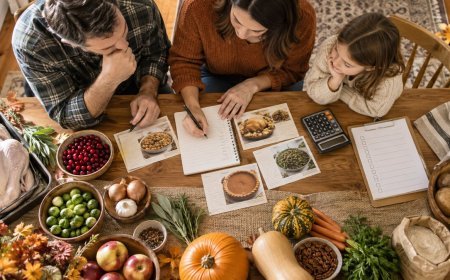
If you are hosting, take a few minutes to decide what you are willing to spend before sending the invite. Include the obvious costs, like the main dish, and the easy-to-forget ones, like ice, serving foil pans, napkins, trash bags, and the extra folding chairs you might need to borrow or rent.
Write the total down. That number tells you how much help you need. If you are comfortable covering the turkey and the space, great. If not, it is far easier to ask for help in the invitation than to bring it up later. A clear budget also keeps the menu from growing. Every new idea, like a second dessert or a fancy cocktail, can be weighed against what you planned to spend.
Put the plan right in the invitation
The most awkward money conversations happen when expectations are vague. The fix is to say exactly how the evening will work in the first message. Mention what you are providing, what you are asking guests to do, and how and when to sign up.
A friendly, direct invite might say that you will handle the turkey and the drinks, and that everyone else can grab a side or dessert from a shared sign-up list. If you are using a chip-in model, name a specific, modest amount per person and say what it covers. When the plan is clear from the start, guests can opt in comfortably, and nobody is surprised by a request later.
It also helps to quietly leave room for friends who are short on cash this season. Saying that any dish or any help is welcome gives everyone a way to join without explaining their budget. Friendsgiving is about the table, not the tab, and a little grace in the invitation sets that tone for the whole evening.
Use a shared sign-up list to avoid five pans of mac and cheese
A shared list is the easiest way to keep a potluck balanced. A free online spreadsheet, a shared note, or a group chat message pinned at the top all work. List the dishes you need, such as rolls, a green vegetable, potatoes, stuffing, cranberry sauce, two desserts, and drinks, and let people claim one.
This step does two things. It keeps costs fair, because each person covers one dish rather than guessing. And it prevents the classic problem of ending up with three pies and no vegetables. Mark which dishes are bigger lifts, like a main side for twelve, and which are lighter, like a bag of ice and a bottle of sparkling cider, so people can choose based on their budget and their time.
Make chipping in easy and fair
If the host is buying most of the food, splitting the cost with a payment app can be simple. The key is to set the amount before shopping, not after. Asking for a flat contribution, such as $15 or $20 per guest, for example, feels cleaner than sending everyone a surprise bill for $23.47 after the fact.
Keep a few fairness rules in mind:
- Offer a no-cash option, like bringing chairs, helping cook, or handling cleanup.
- Count guests who bring a big dish as having paid their share.
- Do not charge kids, or set a much smaller amount for them.
- Share receipts only if someone asks, and keep the tone light.
The goal is to make sure the host is not left with a big bill, not to account for every last dollar.
Handle drinks and extras separately
Drinks can quietly become the biggest cost of the night. One easy solution is to make them bring-your-own. Guests bring what they would like to drink and a little extra to share. That way nobody pays for drinks they do not touch, and people who do not drink are not subsidizing those who do.
The same idea works for extras. If someone wants to bring a special dessert or a fancy cheese board, great, but keep it optional and outside the shared budget. That keeps the basic meal affordable for everyone, including friends who are on a tighter budget this year.
Save money on the host side
Hosting does not require new everything. Borrow folding chairs, a second slow cooker, or a large roasting pan from friends instead of buying them. Ask a guest to bring extra serving spoons. Reusable plates and cups cost nothing if you already own them, and a dish-washing crew of volunteers can make cleanup quick.
Decorations can be simple too. A few candles, some leaves or pinecones from a walk, and a plain tablecloth look festive without a trip to the party store. Skip single-use themed items you will only use once. The food and the people are the main event, and that is what guests remember.
Plan for leftovers and last-minute changes
Leftovers are part of the fun, and they can also be part of a fair split. Ask guests to bring a container or two so everyone can take some food home. That way the host is not stuck with a fridge full of side dishes, and guests who chipped in get something back.
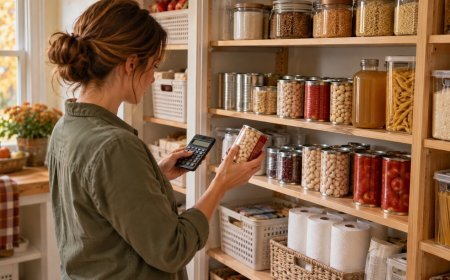
Plans also change. Someone cancels, someone brings an extra friend, or a dish gets forgotten. Build in a little flexibility. A box of stuffing mix or an extra loaf of bread in the pantry can fill a gap without a last-minute store run. If someone cancels after paying, you can simply send their share back or let them take a plate of leftovers later.
The bottom line
Friendsgiving should feel generous, not stressful. Pick a dinner style, set a budget, spell out the plan in the invite, and use a shared list so the costs and the cooking are spread fairly. This week, choose your setup and send an invite that explains exactly how the meal will come together. A clear plan up front is the best way to keep both the food and the friendships warm.
What's Your Reaction?
 Like
0
Like
0
 Dislike
0
Dislike
0
 Love
0
Love
0
 Funny
0
Funny
0
 Angry
0
Angry
0
 Sad
0
Sad
0
 Wow
0
Wow
0