















Credit Card Return Protection: The Shopping Benefit You May Already Have
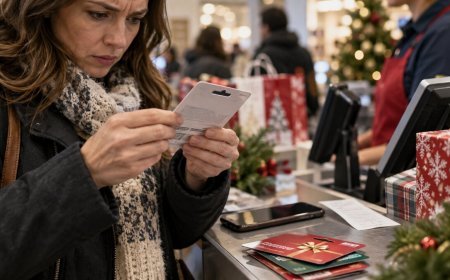
You bought the blender, the boots, or the kids tablet, used them once, and hit a wall. The store return window closed, the receipt vanished into a coat pocket, or the clerk shrugged and pointed at a final sale sticker you somehow missed. That is the moment many shoppers learn their credit card may quietly carry return protection or purchase safeguards they never activated on purpose.
Return protection is not magic free money, and it is not on every card. When it is included, it can extend your options after a retailer says no. This guide explains what those shopping benefits often cover, what they skip, and how to file without turning a simple claim into a week of frustration. It is consumer card literacy, not a product ranking that goes stale next month.
Reframe: the benefit is a backup lane, not a license to overbuy
Think of return protection as a spare key after the store locks the door, not as a reason to fill a cart with maybes. The smart move is still buying what you need, keeping receipts, and using the merchant return first. Card benefits kick in when that path fails within the rules of your card agreement.
Napkin mindset: if a $120 jacket misses the store window by a week, a card benefit that reimburses unused items up to a stated cap can matter. If you treat every purchase like a maybe-return, you will create paperwork and disappointment. Use the benefit for genuine mismatches, defects after a short trial, or gifts that truly cannot go back to the retailer.
Return protection vs purchase protection: different jobs
People mix these names up. Return protection (sometimes called return assurance) generally helps when a merchant will not take back an eligible unused item within the card benefit window. Purchase protection more often covers eligible items that are damaged or stolen shortly after you buy them, subject to exclusions and deductibles your guide lists.
Your card may offer one, both, or neither. Names vary by issuer. The only reliable source is the benefits guide tied to your specific card, usually in the app under benefits or in the PDF that came with the account. Do not assume a premium-looking metal card includes everything, and do not assume a simple cash-back card includes nothing. Check once before holiday shopping season peaks.
What usually qualifies (and what usually does not)
Eligible items are often new, unused, in original packaging, purchased entirely on that card, and within a time window measured in days from purchase. Many guides exclude jewelry above certain amounts, rare collectibles, perishables, digital downloads, tickets, animals, and cars. Final-sale reality still matters: some benefits require that the merchant truly refused the return.
Wear-and-tear, buyer's remorse after heavy use, and items you lost yourself typically fail. If you opened, installed, or clearly used the product as a daily driver, unused becomes a hard sell. Photograph condition on day one for anything expensive. Keep the box. These boring habits are what make a claim believable later.
- Bought on the card that carries the benefit
- Still within the benefit time window in your guide
- Merchant return attempted and denied when the benefit requires it
- Item unused or within the exact condition rules stated
- Not on the exclusion list (perishable, ticket, high-value jewelry quirks, and so on)
Deadlines are shorter than holiday memory
Store windows and card windows are two clocks. A retailer might give 30 days. A card benefit might add a limited extra period after that, or run its own clock from the purchase date. Holiday purchases in November can bump into January chaos if you wait. Mark the purchase date in your phone the day the box arrives.
If you are buying gifts early, keep gift receipts and note which card you used. A partner returning something in December should not have to guess whether it was debit, a store card, or the Visa that actually holds the benefit. One shared note in a household thread prevents the we will figure it out later trap.
How to file without drama
Start with the merchant, in writing if you can. Ask for a return and save the denial email or chat transcript. Then open your card app or call the benefits number on the back of the card or in the guide. Have the receipt, last four digits, item description, purchase date, and proof of merchant refusal ready before you start the call.
Expect forms. Expect photos. Expect a claim number. Follow up if you hear nothing by the timeline they quote. Be polite and exact. Drama does not speed claims. Complete packets do. If the item is bulky, ask whether they need it shipped to a claims center before you drop it at a random donation bin and erase your evidence.
Receipt napkin habits that make benefits usable
Snap a photo of every receipt over a dollar amount you care about, say $40, and store it in a album named Card Purchases. Save order confirmation emails in a mailbox folder. For big online orders, keep tracking pages until the return window and benefit window both close. These steps sound fussy until the one time a $200 return depends on them.
If you split a cart across two cards to chase rewards, you may weaken eligibility for benefits that require the full purchase on one card. Sometimes the rewards win. Sometimes the protection wins. Decide before checkout, not after a denial. For holiday electronics and apparel that commonly get returned, protection can beat an extra 1% cash back.
Store credit, exchanges, and when to stop pushing
If the merchant offers store credit and you will shop there again, taking it can be cleaner than a card claim. If you will never return to that brand, store credit is a soft loss. Card benefits sometimes require that you refuse alternatives or document that the option does not work for you. Read your guide so you do not accidentally disqualify yourself by accepting a workaround you hate later.
Exchanges for the correct size are usually better than claims. Claims are for dead ends. Keep your energy for items that matter. A $18 gadget may not be worth an hour on hold. A $180 coat might.
Holiday shopping: where this benefit earns its keep
November and December create mismatched gifts, wrong sizes, and duplicate toys. Retailers tighten return rules during the rush, then loosen them with holiday extensions, then tighten again in January. Card return protection sits behind that chaos as a possible second chance when a store policy is strict and your item still meets unused rules.
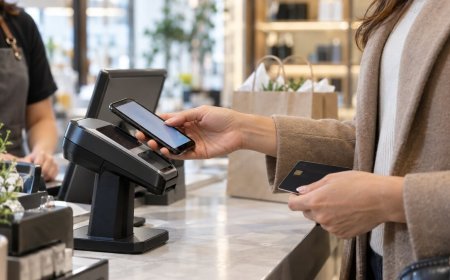
Use credit (not debit) for the gifts most likely to need a second lane: apparel, small appliances, headphones, and kids gear that must match a size or a school rule. Debit refunds and merchant fights are a different headache. Pair the right card with the riskiest returns, then pay that card in full so interest does not erase the cleverness.
What this is not: extended warranty deep dives
Some cards also bundle extended warranty features that lengthen manufacturer coverage. That is related shopping protection, but it is a separate claim path with its own documents, serial numbers, and repair estimates. Do not mix warranty paperwork with a return-protection claim in one confused email. One issue, one claim type, one packet.
If your goal this week is simply surviving gift returns, focus on return protection and merchant policy first. You can map warranty benefits later when you buy a vacuum or TV on purpose.
Screenshot checklist before the next big cart
- Open your card app and confirm whether return protection or purchase protection exists
- Download or bookmark the benefits guide PDF for that card
- Note the time window and major exclusions in one phone note
- Decide which holiday categories you will put on that card
- Photo receipts and keep boxes for anything over your personal threshold
- Try merchant return first; save written denial if they say no
- File with complete docs; track the claim number
- Pay the card in full so benefits do not sit on an interest-bearing balance
Tonight, spend ten minutes in your card app. Confirm the benefit, save the guide, and pick which upcoming purchases deserve that card. The shopping protection you already carry only helps if you know it exists before the clerk says final sale.
What's Your Reaction?
 Like
0
Like
0
 Dislike
0
Dislike
0
 Love
0
Love
0
 Funny
0
Funny
0
 Angry
0
Angry
0
 Sad
0
Sad
0
 Wow
0
Wow
0