


















What Home-Improvement Receipts Should You Keep—and for How Long?
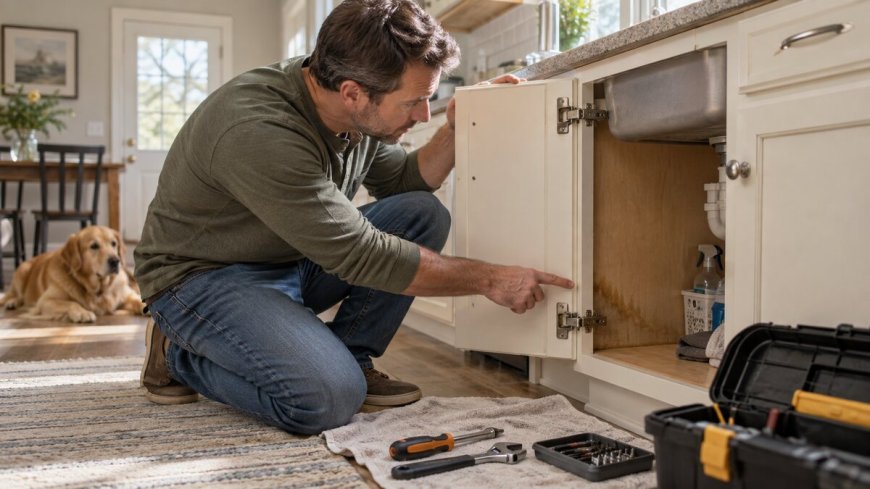
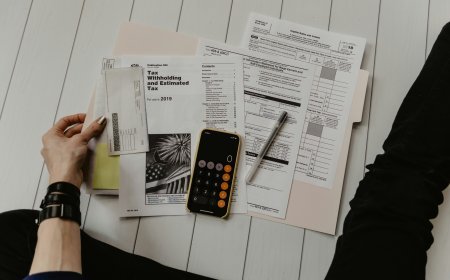
Home-improvement records can support warranty claims, insurance documentation and the calculation of adjusted tax basis when a home is sold. This guide focuses on practical household choices, costs people commonly overlook and records worth keeping. It is designed to help readers make a calmer decision without assuming that one answer fits every family.
Start with the real household goal
Before acting, define what success means. It may be avoiding a fee, reducing waste, improving convenience, protecting cash flow or keeping better records. A clear goal prevents a small decision from becoming a complicated project. Use recent statements, receipts and an ordinary month as the baseline.
Separate repairs from improvements
Keep descriptions showing whether work maintained or improved the property. The useful step is to compare the choice with actual household behavior instead of relying on a rule of thumb. Check dates, amounts and practical tradeoffs before changing anything.
Retain purchase records
The settlement statement helps establish starting basis. A quick monthly review can show whether this issue is costing money or merely creating clutter. Write down what happened, what it cost and what would prevent a repeat.
Keep contractor documentation
Save contracts, invoices, permits and final inspections. Small decisions become expensive when they repeat automatically. A reminder, separate savings bucket or short checklist can turn the better option into the default.
Record DIY materials
Store receipts and photographs of what was installed. Price is only one part of the decision. Time, safety, convenience, taxes and the chance of needing the money soon should also be included.
Preserve energy-credit documents
Keep certifications, model numbers and itemized invoices. Keep supporting records while they are easy to find. Receipts, screenshots, statements and confirmation emails are more useful than a year-end reconstruction.
Keep records through ownership
Retain basis records until after sale and the applicable tax period. Households do not need a perfect system. They need one clear enough to use during a busy week and flexible enough to adjust when needs change.
Back up the file
Use a cloud folder and project index. Before committing, test the idea on a small scale when possible. A trial period reveals hidden costs and makes it easier to reverse course without a large loss.
Run the numbers without overcomplicating them
List the upfront cost, recurring cost and any fee or tax consequence that could change the answer. Estimate how often the product, service or habit will actually be used. A cheaper option that is wasted or ignored can cost more than a slightly higher-priced option that fits daily life.
When the decision involves a contract, loan, tax rule or insurance policy, read the current terms rather than relying on a headline. Rules and prices change, and an exception can matter more than general guidance.
Create a simple review point
Choose a date to check the result. Review the next statement, examine condition and use after thirty days, or confirm that a receipt and explanation are stored together. If the choice did not work, adjust it without treating the first attempt as a failure.
Questions worth asking before you decide
Ask what happens if the price rises, the household schedule changes or the product is used less than expected. Check whether cancellation, resale, repair or a lower-cost substitute is available. If another person shares the expense, agree on who will monitor it and where records will be stored.
Separate a true need from a convenience and from a wish. Protect the need first, decide what the convenience is worth and give the wish a clear spending limit. That order makes the final choice easier to explain and maintain.
Make the plan easy to maintain
Use automatic reminders, clearly labeled folders or savings buckets, and one regular review date. Avoid creating so many categories that the system becomes a second job. A five-minute check that happens monthly is more valuable than a perfect spreadsheet abandoned after a week.
Include other people affected by the decision. A partner, parent or older child may know about a schedule conflict, renewal or household priority that changes the calculation.
A practical way to put the advice into action
Begin with a short inventory. Write down what the household already owns, pays for or has saved, along with the next important date. Identify the one weak point most likely to create a fee, rushed purchase or missed opportunity. Fix that issue before adding a new product or complicated strategy.
Compare two or three realistic options using the same assumptions. Include taxes, delivery, maintenance, time and any cost of changing course. When an option depends on a deadline, place it on a shared calendar immediately. When it depends on saving, create the transfer while the decision is fresh.
Keep a small margin for uncertainty. Prices change, family needs shift and a simple task may take longer than expected. A modest cushion and a clear stopping point protect the larger budget.
The bottom line
What Home-Improvement Receipts Should You Keep—and for How Long? is ultimately a practical decision, not a contest to find a perfect answer. Start with accurate information, protect essential expenses and choose the option that can be repeated consistently. For decisions involving taxes, legal rights, credit or investments, verify current rules and consider qualified professional guidance.
What's Your Reaction?
 Like
0
Like
0
 Dislike
0
Dislike
0
 Love
0
Love
0
 Funny
0
Funny
0
 Angry
0
Angry
0
 Sad
0
Sad
0
 Wow
0
Wow
0