























12 Winter Purchases That Are Usually Cheaper Before the First Snow
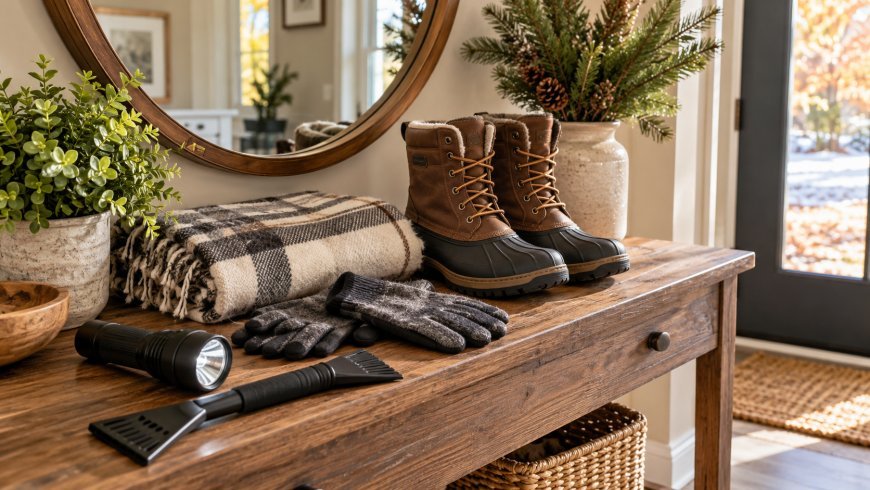
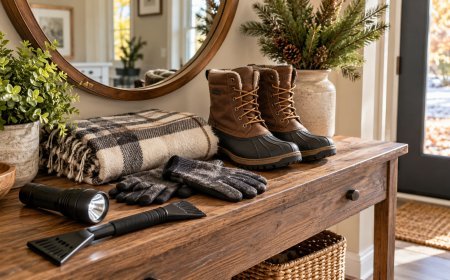
The first snow has a way of turning ordinary household items into urgent purchases. Ice scrapers disappear from store shelves, basic gloves suddenly feel expensive, and shoppers accept whatever is available because they need it now. Buying early is less about predicting a perfect sale and more about giving yourself time to compare quality, price, and what you already own.
This list focuses on practical items many households use every winter. Your climate, commute, home, and family size should decide what belongs on your list. Before shopping, inspect last year's supplies and skip anything that is still dependable.
1. Ice scrapers and snow brushes
These tools are easy to ignore until a windshield is covered in ice. In early fall, you can compare sturdy handles, brush width, and storage size without pressure. Check every household vehicle, because moving one scraper back and forth usually ends with it being in the wrong car.
2. Weatherproof gloves
A bargain pair is not useful if it becomes soaked after ten minutes. Look for gloves suited to the job: thinner pairs for driving, insulated waterproof pairs for shoveling, and washable options for children. Early shopping gives you a better chance of finding the correct size instead of settling for whatever remains.
3. Snow shovels
Inspect the blade, edge, handle, and grip on the shovel you own. Cracks that seem harmless in September can become a complete break during heavy snow. Compare weight and handle length in person when possible. A comfortable shovel you can control may be a better value than the cheapest oversized model.
4. Windshield washer fluid rated for cold weather
Summer formulas may not perform well in freezing conditions. Buying the correct seasonal fluid before temperatures drop lets you top off the reservoir and keep a spare safely stored. Confirm the temperature rating on the container and follow your vehicle manufacturer's guidance rather than choosing by color alone.
5. Draft-stopping supplies
Weatherstripping, removable caulk, door sweeps, and outlet gaskets are inexpensive compared with a major renovation. Walk around the home on a cool, windy day and note obvious drafts. Measure before buying so you do not waste money on the wrong width or length, and avoid blocking required ventilation.
6. Furnace filters
If your heating system uses replaceable filters, having the correct size on hand prevents a last-minute search. Write the dimensions in your phone and buy only the type recommended for your equipment. The most expensive filter is not automatically the best choice; excessive restriction can be inappropriate for some systems.
7. Humidifiers and replacement filters
Dry indoor air often becomes noticeable only after the heat runs regularly. Test an existing humidifier now, clean it according to its instructions, and see whether it needs a new wick or filter. If purchasing one, compare room capacity, cleaning requirements, and replacement-part cost—not just the sticker price.
8. Warm bedding
Before buying a new comforter, layer what you already have and check stored blankets for wear. If something is missing, fall often offers more sizes and colors than a rushed cold-night purchase. Prioritize washable materials and the warmth your household actually needs rather than buying the thickest option available.
9. Flashlights and backup batteries
Winter storms can bring short outages. Test every flashlight, remove leaking batteries, and place lights where family members can find them in the dark. Rechargeable models can be practical, but keep a plan for charging them during an extended outage. A simple working flashlight beats an elaborate device nobody remembers how to use.
10. Car emergency supplies
A basic winter car kit may include a blanket, flashlight, phone-charging cable, reflective warning gear, small shovel, and traction aid appropriate for your vehicle. Do not buy a generic kit without inspecting its contents. Assemble around your normal travel conditions, and never treat supplies as a reason to drive when officials advise staying off the road.
11. Moisture-control mats and boot trays
Snow, salt, and mud can damage floors and create slippery entryways. Measure the space before buying a mat or tray and choose something easy to clean. One well-placed durable option can be more useful than several decorative mats that slide, curl, or hold moisture against the floor.
12. Children’s winter basics
Children may outgrow coats, boots, and snow pants between seasons. Have them try on last year's items early, including with the layers they normally wear. Make a list of genuine gaps, consider safe hand-me-downs, and avoid buying too far ahead when sizing is uncertain.
How to shop without creating a fall spending spike
Divide the list into three groups: replace now, watch for a discount, and already owned. Set a total limit and spread purchases across several pay periods. Price-check the exact model rather than assuming a seasonal sign means a bargain. For equipment, durability, fit, and return policy can matter more than the lowest price.
The bottom line
Buying before the first snow is valuable because it gives you choices. Inspect first, prioritize safety and true household needs, and purchase gradually. The best winter deal is not an unnecessary product bought early; it is a dependable item you knew you needed, chosen calmly at a fair price.
What's Your Reaction?
 Like
0
Like
0
 Dislike
0
Dislike
0
 Love
0
Love
0
 Funny
0
Funny
0
 Angry
0
Angry
0
 Sad
0
Sad
0
 Wow
0
Wow
0