





















Fall Pantry Stock-Up Guide: What to Buy in Bulk (and What to Skip)
September and early fall are when stores and warehouses lean into case-lot energy: stacked cans, multipacks of broth, paper goods on pallets, and "stock up for winter" signs that make you feel responsible while your cart gets heavier. Some of that is real pantry stock up math. Some of it is perishable bulk wearing a thrifty costume.
The move for mid-September is simple: buy shelf-stable depth where your household will finish it before the date turns scary-and skip bulk that spoils, bored kids abandon, or sits until you buy it again because you forgot it existed. Case lot sale savings only count when the case becomes meals, not clutter. Act this week while ads are loud and your shelves still have room to be honest.
What "case-lot" really means for a normal household
Case-lot is warehouse language for buying by the tray, sleeve, or flat-often at a better unit price than the single can or box. Grocery banners run similar events with "10 for $10" walls, warehouse clubs keep a permanent case-lot vibe, and some regions still do old-school case lot sales in church basements and parking lots.
You do not need a bunker. You need items you already cook, paper goods you already burn through, and a hard no-list for food that dies in the fridge. Pantry stock up is inventory with a seasonal excuse-not prepper cosplay.
Do the napkin math before the pallet romance
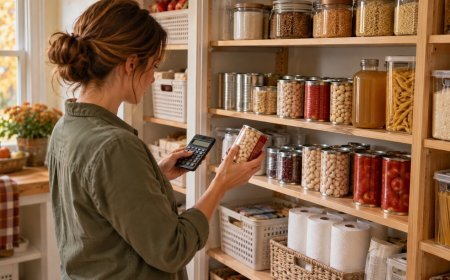
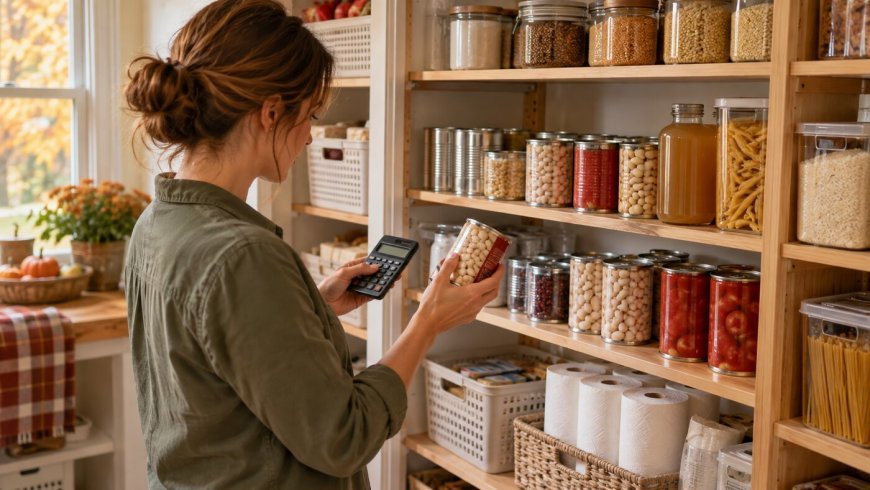
Unit price beats "feels cheap." On your phone calculator:
- Price ÷ count (cans, ounces, loads of laundry)
- Compare to the everyday shelf price you usually pay
- Divide any "savings" by how many weeks until you finish the case
If a flat of tomatoes saves eight dollars but you use two cans a month, that money is parked for half a year. Fine if cash flow is calm. Not fine if you are stretching until payday and the case is funding cardboard, not dinners. Price your space too: a high shelf is free; a bin tower that blocks the laundry room is a fee.
Shelf-stable yes: the fall stock-up short list
Lean into items with long dates that already appear in your normal cooking:
- Canned tomatoes, beans, tuna/salmon pouches or cans you actually open
- Broth or stock you use for soups and rice (watch sodium if that matters to you)
- Pasta, rice, oats, and other dry goods in quantities you will rotate in 2-4 months
- Peanut or school-safe butters, cooking oil if you are near empty and the unit price is real
- Coffee, tea, or shelf-stable milk alternatives your household finishes on schedule
- Paper goods, trash bags, dish soap, laundry detergent timed to when you are already low
Case lot sale savings shine here because the product does not sulk when ignored for three weeks. Rotate older cans forward when you unpack; mark the month on lids if tiny dates make your eyes glaze.
Perishable bulk no: where "stock up" becomes waste tax
Bulk produce, giant bakery packs, party-size dairy, and "value" meat family packs only win if your freezer and calendar cooperate. Fall ads love the giant bag; your compost bin does too.
Usually skip or shrink:
- Huge berry or salad boxes you will not finish in a few days
- Bread flats without a freeze plan the same day
- Dairy multipacks that expire in a huddle
- Novelty snacks bought because the display was loud
- Spices in industrial jars for a household that cooks two cuisines
If you want fall produce depth, buy what the next seven to ten days will eat, plus what you will cook or freeze this weekend. That is a meal plan, not a case lot.
A practical fall stock-up run (one trip, clear lanes)
Before you leave, walk your pantry with a notepad. Count: tomato cans, bean cans, pasta boxes, rice, broth, paper towels, detergent. Circle only the lines that are low or empty. Then check the weekly ad or warehouse app for those SKUs-not for inspiration.
At the store:
- Hit shelf-stable and paper first while the list is strict
- Add freezer proteins only if you have labeled space and a thaw plan
- Finish with a normal week of fresh food-not a second bulk personality in produce
- Pay with whatever cash-back setup you already use; do not open a new card for one pallet of soup
If it is a special weekend sale, go early or accept that popular sizes vanish. Keep a backup brand on the list so you do not "reward" yourself with impulse trays.
Storage rules that protect the savings
Unload into zones: everyday shelf at eye level, overflow high/low, paper in one boring stack. Keep a one-line phone inventory ("tomatoes x12, broth x6") and update it when you open the last two-so you do not buy another case because the front looked empty. Watch heat for oils and grains; a swinging garage is better for paper towels than chocolate. Spoiled bulk is just a delayed full-price buy plus guilt.
How much is enough for fall?
Think in weeks of use, not vibes of preparedness. For many households:
- 6-12 weeks of core canned/dry staples you cook weekly is plenty
- Paper and detergent: buy when you are down to one backup, not when the pallet looks cinematic
- Freezer: leave air and visibility; a stuffed freezer hides food until freezer burn collects rent
If money is tight this month, stock only the two or three staples you burn fastest. A smaller pantry stock up that you finish beats a heroic flat you resent every time you open the closet.
Screenshot checklist for this weekend
- Pantry count done for cans, dry goods, paper, detergent
- Unit prices compared on 3-5 real staples
- Case/flat quantities capped to 6-12 weeks of use
- Perishable bulk skipped unless freeze/cook plan is same day
- Overflow shelved with older product in front
- Phone note inventory updated
- Fresh-food week still planned-stock-up is not dinner
Common case-lot fails (and the fix)
Buying a flavor nobody likes because it was the deal. Unpopular cans are expensive décor. Stick to brands and varieties you already empty.
Confusing warehouse theater with need. Samples and endcaps are not your list.
No rotate habit. New product in back, old in front-every time-or you will donate expired soup to the trash.
Stocking through a diet phase. If your household is mid-experiment, buy short. Preferences change faster than best-by dates.
Skipping the fresh week. A pantry full of tomatoes with no plan for actual dinners still sends you to the drive-through.
Bottom line
Fall case-lot season rewards households that treat bulk like a calculator, not a personality. Shelf-stable staples and paper goods you already use-bought at a true unit-price win and rotated on purpose-are where case lot sale savings show up on later receipts. Perishable bulk without a cook-or-freeze plan is how stock-up weekends fund the compost. Count the shelf, cap the case, skip the drama produce, and act while September still has room on the wire rack.
What's Your Reaction?
 Like
0
Like
0
 Dislike
0
Dislike
0
 Love
0
Love
0
 Funny
0
Funny
0
 Angry
0
Angry
0
 Sad
0
Sad
0
 Wow
0
Wow
0