



























Fall Grocery Budget Reset: 12 Practical Ways to Spend Less

Fall often changes the household food routine. School schedules return, slow-cooker meals replace summer grilling, and holiday spending begins to compete with the grocery budget. A reset now can reduce waste without turning every meal into a complicated coupon project.
Food costs vary by household, age, location, dietary needs, and preparation habits. The goal is not to copy someone else’s number. It is to build a realistic weekly amount from your own receipts and then improve how that money is used.
1. Calculate Your Real Weekly Average
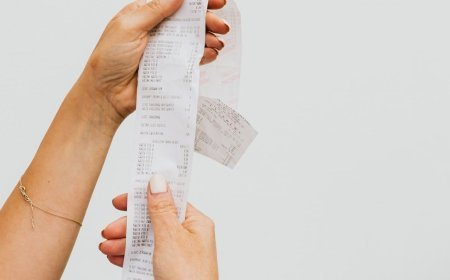
Review six to eight weeks of supermarket, warehouse-club, delivery, and convenience-store spending. Include small trips that are easy to forget. Divide the total by the number of weeks, then compare the result with the amount you believed you were spending.
2. Separate Food From Household Supplies
Paper goods, cleaning products, pet food, and personal-care items can make the grocery category look larger than the food bill. Track them separately for a clearer view of meal costs and more accurate price comparisons.
3. Plan Meals Around What You Already Own
Before making a list, check the refrigerator, freezer, and pantry. Choose two or three meals that use items approaching their quality limit. This inventory-first habit reduces duplicate purchases and prevents usable food from being forgotten.
4. Use a Flexible Meal Formula
Build meals around a simple structure: protein, grain or starch, vegetables, and a sauce or seasoning. Flexible formats such as soups, grain bowls, pasta dishes, tacos, and sheet-pan meals make it easier to substitute sale items without abandoning the plan.
5. Compare Unit Prices
The lowest shelf price is not always the best value. Compare cost per ounce, pound, count, or serving, while considering whether the household will actually use the larger package before it spoils.
6. Choose Seasonal Produce Selectively
Apples, squash, cabbage, carrots, and other fall produce may be economical in many areas, but local prices still vary. Compare fresh, frozen, and canned versions. Frozen vegetables can be especially useful when a recipe needs only part of a package.
7. Limit Convenience Premiums
Pre-cut produce, single-serving snacks, prepared sides, and delivery fees can save time, but buying all convenience items at once can quietly increase the bill. Keep the versions that solve a genuine scheduling problem and prepare simpler items yourself.
8. Create One Low-Cost Backup Dinner
Keep ingredients for a fast meal that prevents an unplanned restaurant order: pasta and sauce, eggs and toast, bean quesadillas, soup and sandwiches, or a freezer meal. Replace the backup as soon as it is used.
9. Make Leftovers Intentional
Label leftovers with the date and assign them to lunch or a specific dinner. Freeze portions that will not be eaten soon. When leftovers have no planned destination, they are more likely to become waste.
10. Shop With a List and a Stop Rule
Organize the list by department and decide what happens when the cart reaches the budget. A useful stop rule is to remove optional snacks or substitute a lower-cost equivalent before adding more money.
11. Review Loyalty Programs Carefully
Digital coupons and loyalty prices can help when they apply to items already planned. They are less useful when they encourage extra purchases. Compare the final unit price and avoid buying more simply to reach a promotional threshold.
12. Track Waste for Two Weeks
Write down what is discarded and why: spoiled produce, oversized recipes, forgotten leftovers, disliked products, or poor storage. The pattern will show where the next savings opportunity actually exists.
A Simple Fall Grocery Reset
- Set a realistic weekly food amount
- Plan four or five core dinners
- Reserve one leftover night
- Keep one backup meal available
- Review the result every Sunday for a month
The Bottom Line
A sustainable grocery budget is built from repeatable habits, not one unusually cheap trip. Measure current spending, shop the kitchen first, compare unit prices, and make a clear plan for every perishable item.
What's Your Reaction?
 Like
0
Like
0
 Dislike
0
Dislike
0
 Love
0
Love
0
 Funny
0
Funny
0
 Angry
0
Angry
0
 Sad
0
Sad
0
 Wow
0
Wow
0