


















What to Do With an Unexpected $500 Without Letting It Disappear

An unexpected $500 can disappear quickly because it feels separate from ordinary income. A rebate, gift, refund, bonus, or side-job payment may arrive without a plan, making small purchases seem harmless. Giving the money a purpose before spending it can turn a temporary windfall into lasting relief.
Pause for two days
Move the money into savings and wait at least 48 hours before making a nonessential purchase. This short pause reduces impulse spending and gives you time to check upcoming bills.
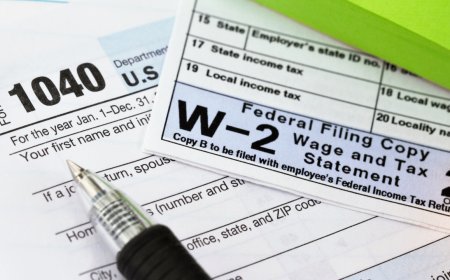
If the payment may be taxable, do not spend the possible tax portion. A side-job payment or certain bonuses may not have enough tax withheld.
Check the next thirty days
Review rent or mortgage, utilities, insurance, minimum debt payments, prescriptions, school costs, transportation, and any annual bill approaching soon. Using the money for a predictable expense is better than spending it now and borrowing later.
Look beyond the checking-account balance. Credit-card due dates and automatic renewals can create a false sense that the money is available.
Catch up on anything urgent
If an essential bill is late, prevent the situation from becoming more expensive. Late fees, shutoff charges, overdrafts, and insurance lapses can turn a small shortage into a larger problem.
Prioritize housing, utilities, transportation needed for work, essential insurance, food, and medical needs before optional debt acceleration or shopping.
Build a starter emergency cushion
When savings is near zero, keeping part or all of the $500 can prevent the next tire repair or urgent prescription from reaching a credit card. Place it in a separate savings account that remains accessible but is not attached to everyday debit spending.
Label the account emergency fund and define what counts as an emergency. A sale, weekend trip, or routine gift is not unexpected merely because it was not budgeted.
Pay down expensive revolving debt
If a basic cushion already exists, consider applying money to a high-interest credit card. Confirm that minimum payments and essential expenses are covered first.
Send the payment directly to the selected balance rather than leaving the money in checking. Then avoid charging a replacement purchase to the card, which would erase the progress.
Handle a necessary repair
Small home and vehicle problems can become expensive when delayed. A minor leak, worn tire, failing battery, broken lock, or overdue maintenance may be a strong use of unexpected money.
Get a written estimate and distinguish urgent work from optional upgrades. The goal is to prevent a larger cost, not create a new project.
Prepare for an annual bill
Car registration, holiday travel, school activities, insurance premiums, and property-related bills often feel unexpected even though they happen every year. Put the money into a named sinking fund for the next one.
Afterward, divide the annual cost by twelve and begin saving a smaller amount monthly so the following bill no longer depends on a windfall.
Invest only after short-term needs are stable
Long-term investing can be worthwhile when bills are current, high-interest debt is controlled, and emergency savings exists. Consider an eligible workplace plan or individual retirement account after reviewing contribution rules and investment risk.
Do not invest money needed within the next few years in a volatile asset. A market decline may arrive just when the cash is needed.
Use a split that matches your situation
The entire amount does not need one purpose. A household might keep $300 for emergencies, pay $150 toward a credit card, and use $50 for something enjoyable.
Another person might reserve $200 for taxes, place $200 into a repair fund, and spend $100. The percentages matter less than making the choices deliberately.
Allow a controlled treat
Using a small portion for enjoyment can make the plan easier to follow. Set the amount before browsing and choose something memorable or genuinely useful.
Avoid turning a $50 treat into a $700 purchase financed over time. The windfall should improve the month, not create a new payment.
Avoid common windfall traps
- Do not count the money before it clears.
- Do not upgrade a recurring lifestyle expense that continues after the $500 is gone.
- Do not lend the full amount if losing it would create hardship.
- Do not buy because a discount expires tonight.
- Do not ignore taxes on income that had no withholding.
A ten-minute decision routine
Write down the next month's essential bills, current savings, highest-interest balance, and one upcoming irregular expense. Decide how much goes to security, progress, and enjoyment. Move each portion immediately to the correct account or payment.
Save the decision in your notes. The next unexpected payment will be easier because you already have a personal rule.
Bottom line
An unexpected $500 will not solve every financial problem, but it can stop a late fee, start an emergency fund, reduce costly debt, or prepare for a predictable bill. Pause first, protect essentials, and give every dollar a job before ordinary spending absorbs it.
Keep the improvement visible
After using the money, update the savings balance, debt total, or sinking-fund label. A visible result makes the decision feel real and reduces the temptation to spend the same windfall twice in your head.
What's Your Reaction?
 Like
0
 Dislike
0
 Love
0
 Funny
0
 Angry
0
 Sad
0
 Wow
0