

















The Small Bank Fees Families Often Stop Noticing
Open last month's checking statement and ignore the big categories for a minute. Look at the tiny lines: ATM surcharge, monthly maintenance, paper statement, overdraft transfer, returned item. None of them feel dramatic on a busy Tuesday. Together they can quietly spend a grocery trip's worth of cash every month while the family argues about whether streaming is too expensive.
This is a 20-minute household cleanup, not a bank product deep dive. You will name the fees that hide in plain sight, run napkin math on what they cost over a year, and pick two or three switches that stop the drip without turning banking into a second job.
Reframe: small fees are a subscription you never meant to buy
Families notice a $15 streaming bill because it shows up with a logo and a cancel button. A $3 ATM fee and a $12 maintenance fee feel like background noise. Mentally rebrand them as accidental subscriptions. If you would not sign up for "Random Bank Friction Club" at $20 a month, you should not keep paying it on autopilot.
The win is not shaming yourself for past fees. The win is making the next statement boring. Boring bank statements are a household feature.
Monthly maintenance fees that sneak past the free-checking promise
Many accounts waive the monthly fee if you keep a minimum balance, set up a direct deposit, or make a set number of debit purchases. Life changes, and the waiver quietly fails. A kid switches jobs. A side hustle deposit stops. The balance dips for two weeks. Suddenly the "free" account costs $10 to $15 a month.
Napkin math: $12 a month is $144 a year. That is more than many families spend on school supplies or a car oil change. Check whether your waiver rules still match how money actually lands in the account. If not, ask the bank to switch you to a no-fee option you qualify for, or move the direct deposit so the waiver sticks.
ATM fees: the convenience tax that stacks twice
Out-of-network ATMs often charge you once at the machine and again through your own bank. A $3 surcharge plus a $2.50 bank fee turns a $40 cash grab into a $5.50 lesson. Do that four times a month and you have spent about $66 a year on the privilege of standing in a lobby that was not your bank.
Fix it with a boring map. Save your bank's ATM finder in your phone. Prefer cash back at the grocery store when you are already shopping. If you travel often, look for a fee-reimbursement account or a credit union with a wide surcharge-free network. The goal is fewer surprise fees, not a perfect zero forever.
Paper statements, replacement cards, and "help" fees
Paper statements can cost a few dollars a month. Replacement debit cards sometimes carry a fee if you lose them often. Expedited shipping on a new card can add more. Wire fees and cashier's checks are occasional, but they sting when a landlord or school still wants one.
Switch to e-statements if you can reliably check email or the app. Put a digital copy of important statements in a shared family folder so you are not paying for paper nostalgia. For replacement cards, write down where the backup card lives so the household is not ordering rush plastic every semester.
Overdraft and transfer add-ons that feel helpful until they are not
Overdraft protection that pulls from savings can prevent a returned payment, and that can be useful. It can also create a habit of running checking hot and paying a transfer fee every time. Multiple overdraft events in one day are even messier. One scrambled Friday can cost more than a week of brown-bag lunches.
A cleaner household approach: keep a small buffer in checking, turn on low-balance alerts, and decide whether overdraft coverage is on or off on purpose. If you keep it on, know the fee schedule. If you turn it off, know that a debit may simply decline. Declining can be cheaper than a cascade of fees when the risk is impulse spending, not an emergency bill.
Returned items, early paycheck apps, and "instant" convenience
Returned deposited checks or failed electronic payments can trigger fees. Instant deposit features and early wage access tools sometimes charge for speed. Those tools are not automatically bad. They become expensive when you use them as a lifestyle instead of a rare bridge.
Ask one question before any paid speed-up: what does waiting until regular posting cost me compared with the fee? If the answer is only comfort, skip it. If the answer is a late fee that is higher than the speed fee, then the paid option can be rational. Run the comparison out loud. Convenience sells best when nobody does napkin math.
Account inactivity and "forgotten" side accounts
Old savings accounts, leftover teen accounts, and "just in case" checking products can collect inactivity or maintenance fees after the household stops watching them. Families open accounts during a move or a new job and then forget. Six months later the balance is nibbled down.
Once a year, list every account still open. Close what you do not need, or automate a tiny transfer so the account stays active under the bank's rules. Unused accounts are fee magnets and password headaches.
How to audit one statement in twenty minutes
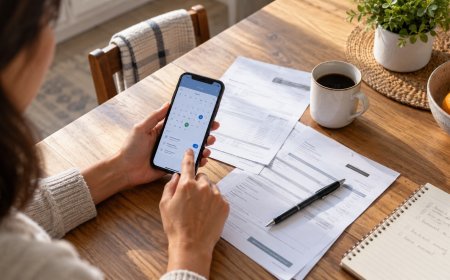
Set a timer. Pull the last full month for checking and, if you have it, the linked savings. Highlight every fee line in one color. Write the fee name and amount on a scrap of paper. Add them up. Then circle the ones that would disappear with a habit change you can keep.
Typical keep-or-cut buckets help. Cut: out-of-network ATMs you can avoid, paper statements, duplicate accounts. Negotiate or switch: monthly maintenance that no longer matches your deposits. Keep with eyes open: rare wire fees or a true emergency overdraft save. The point is intentional fees, not surprise ones.
- Highlight every fee on the last statement
- Total them and multiply by 12 for a yearly scare number
- Mark which fees vanish with ATM habits or e-statements
- Call or message the bank about maintenance waiver rules
- Turn on low-balance and large-transaction alerts
- Close or automate forgotten side accounts
A weekend cleanup that sticks
Saturday: finish the statement highlight and pick two fee targets. Sunday: switch to e-statements, save the ATM finder, set the low-balance alert, and move direct deposit or a recurring transfer if that protects a waiver. Put a 10-minute calendar reminder for 30 days later to confirm the next statement looks cleaner.
If the bank will not waive a fee you no longer accept, compare a no-fee account at a credit union or online bank you already trust. Switching has friction, so only do it when the yearly fee math is clearly worse than the hassle. Many households fix most of the drip without moving banks at all.
Talk about fees like grocery receipts
Bring the yearly total to the family meeting the same way you would discuss a rising snack budget. "We spent about $150 on bank friction last year" is clearer than "someone keeps using the wrong ATM." Assign one person to own the alerts for a month. Share the ATM map. Make the boring system visible.
Kids and teens with debit cards need the short version too. Show them how a $3 fee turns a $20 cash stop into less money for what they wanted. Early fee literacy beats another lecture about "being careful."
Small bank fees survive because they look harmless one line at a time. Add them up, treat them like accidental subscriptions, and remove the ones that only exist because of old settings and rushed cash stops. A cleaner statement is not a personality change. It is a short audit and a few switches.
This weekend, highlight last month's fees and kill the two easiest ones. When the next statement arrives quieter, you will feel it the same way you feel a grocery trip that came in under budget.
What's Your Reaction?
 Like
0
Like
0
 Dislike
0
Dislike
0
 Love
0
Love
0
 Funny
0
Funny
0
 Angry
0
Angry
0
 Sad
0
Sad
0
 Wow
0
Wow
0