


























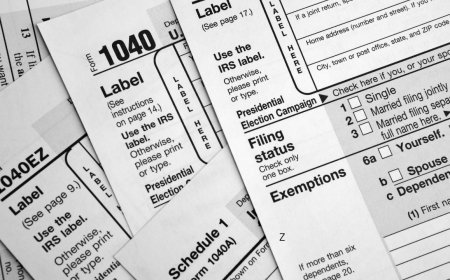


How Long Should You Keep Tax Records? A Practical IRS-Based Guide

The Short Answer Is Usually Three Years—But Not Always
For many federal returns, three years is the familiar baseline. The IRS says records generally should be kept as long as they may be needed to administer the tax code. Your actual retention period depends on what the document supports, what was reported and whether a special rule applies.
The Common Three-Year Rule
The IRS generally recommends keeping records for three years when longer exceptions do not apply. For a claim for credit or refund filed after the return, the period is generally three years from filing the original return or two years from paying the tax, whichever is later. Keep the return itself and the supporting forms, receipts and statements together.
When Six or Seven Years May Apply
The IRS lists a six-year period when more than 25 percent of gross income was omitted from a return. A seven-year period applies to records supporting a claim for a loss from worthless securities or a bad-debt deduction. These are not everyday situations, but they explain why a single discard date is not right for every taxpayer.
When Records Should Be Kept Indefinitely
The IRS says to keep records indefinitely if no return was filed or if a fraudulent return was filed. Property records also deserve special treatment: keep purchase, improvement and depreciation records until the limitations period expires for the year in which the property is sold or otherwise disposed of.
Business and Employment Records
Businesses need records that substantiate income and expenses. Employers generally must keep employment-tax records for at least four years after the tax becomes due or is paid, whichever is later. State rules, insurance needs, loan applications and other legal considerations may require longer retention than the federal tax baseline.
Create a Simple Digital Archive
Organize one folder per tax year and store a copy of the filed return, W-2s or 1099s, deduction support and payment confirmations. Use encrypted storage and a backup. Before deleting old records, check the relevant IRS guidance and ask a qualified tax professional if the return involved property, amended filings, losses, foreign reporting or another unusual issue.
What's Your Reaction?
 Like
0
Like
0
 Dislike
0
Dislike
0
 Love
0
Love
0
 Funny
0
Funny
0
 Angry
0
Angry
0
 Sad
0
Sad
0
 Wow
0
Wow
0