





























10 Household Products You May Be Replacing More Often Than Necessary
1. Microfiber Cleaning Cloths
Replacing a household product on a calendar can feel organized, but many everyday items do not have one universal expiration date. Their useful life depends on material, care, frequency of use, and whether they can still perform safely. A condition check is usually more useful than a date alone.
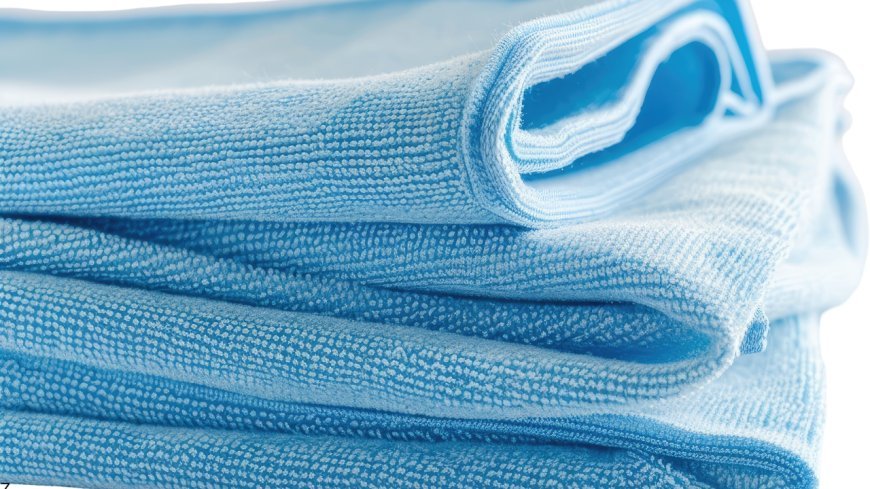
Microfiber cloths are a good example. A cloth that looks a little faded may still clean perfectly well. Wash it separately from lint-producing cotton when practical, skip fabric softener because it can coat the fibers, and let it dry fully before storing it. Those small habits help preserve absorbency and reduce odor.
Keep using the cloth if it still picks up dust, absorbs moisture, and comes clean in the wash. Retire it from kitchen or bathroom duty if it remains greasy, smells after washing, has hardened fibers, or has been used with a chemical that should not be mixed with other cleaning jobs. A worn cloth can often move to messier garage or outdoor work before it is discarded.
2. Reusable Water Bottles
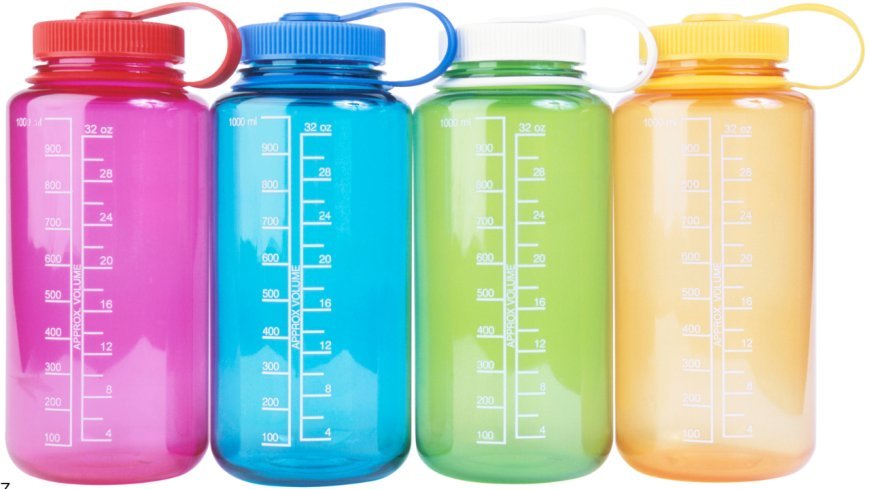
A scratched exterior or a missing logo does not automatically make a reusable bottle unusable. For stainless steel and sturdy plastic bottles, the important questions are whether the container is intact, whether the lid seals, and whether every surface can still be cleaned thoroughly.
Disassemble removable gaskets and wash them according to the manufacturer’s instructions. A narrow bottle brush can reach areas that a quick rinse misses. Store the bottle open until fully dry; closing a damp bottle encourages odor and buildup. Replacement lids, straws, and seals may be available for much less than a new bottle.
Replace the bottle when it develops a crack, persistent contamination or odor that cleaning cannot remove, sharp damage, peeling interior coating, or a lid that no longer seals despite a new gasket. Insulated bottles that stop holding temperature may also have lost their vacuum seal. Cosmetic dents alone are not always decisive, but damage near the mouth or seams deserves closer attention.
3. Food-Storage Containers
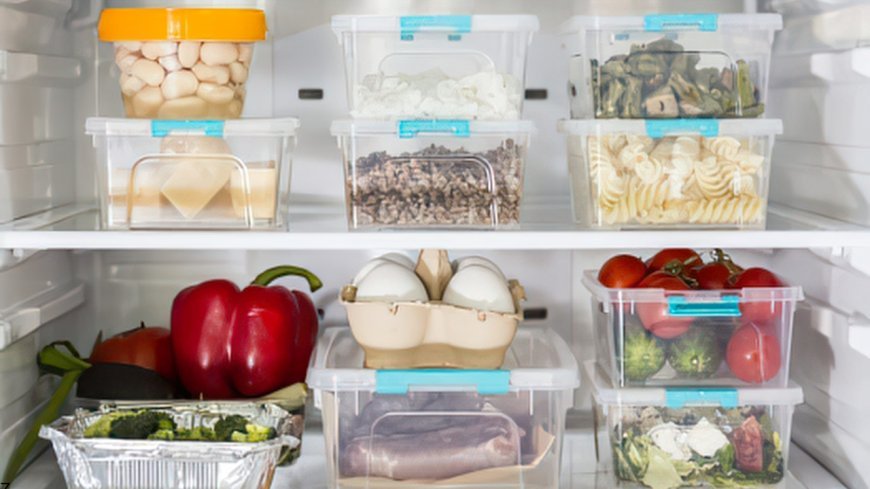
Mismatched lids often send an entire set of food containers to the trash even when most pieces are still useful. Before replacing the set, match every lid and base, recycle pieces your local program accepts, and buy individual replacement lids if the manufacturer sells them.
Glass bases can last for years when they remain free of cracks and chips. Plastic containers may also remain useful, but condition matters more than age. Follow the product’s microwave, freezer, and dishwasher instructions because heat and temperature changes can shorten life. Let oily or strongly colored foods cool before storage when the instructions recommend it, and avoid abrasive scrubbing that clouds the surface.
Stop using a container for food if it is cracked, badly warped, no longer closes securely, has deep cuts that are difficult to clean, or has damage around the rim. A permanently stained container is not necessarily unsafe solely because of color, but persistent odor, rough surfaces, or an unreliable seal are practical reasons to replace it.
4. Vacuum Filters
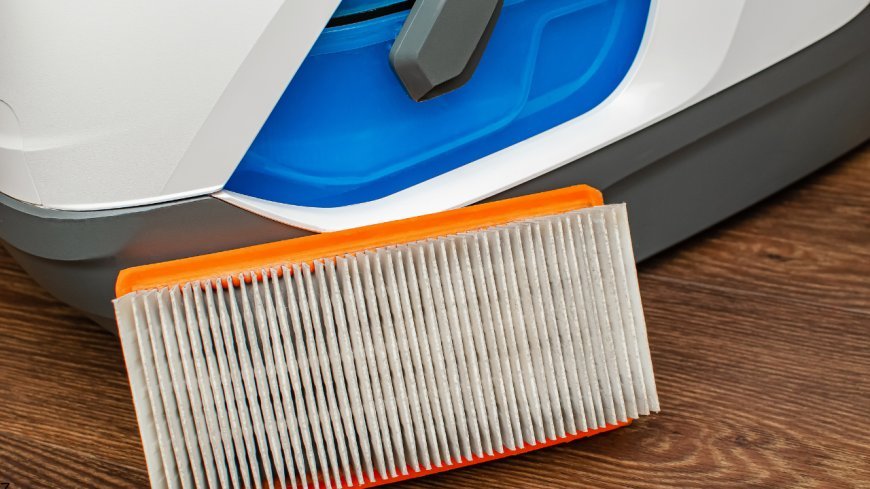
A vacuum that suddenly feels weak may need maintenance rather than a new filter—or a new machine. Many vacuums contain more than one filter, and each can have different care instructions. Some are washable; others must stay dry and be replaced. Check the manual or the manufacturer’s label before putting any filter under water.
For a washable filter, remove loose dust outdoors, rinse only as directed, and allow it to dry completely before reinstalling it. That may take a full day or longer. Running a vacuum with a damp filter can create odor, damage the machine, or spread debris. Also inspect the brush roll, hose, air path, and dust bin because hair and clogs can mimic a worn filter.
Replace the filter when the manual’s condition guidance calls for it, when it is torn or deformed, or when airflow remains poor after correct cleaning and the rest of the machine is clear. Buying the correct filter is more important than buying one early; a poor fit can allow dust to bypass it.
5. Pillows
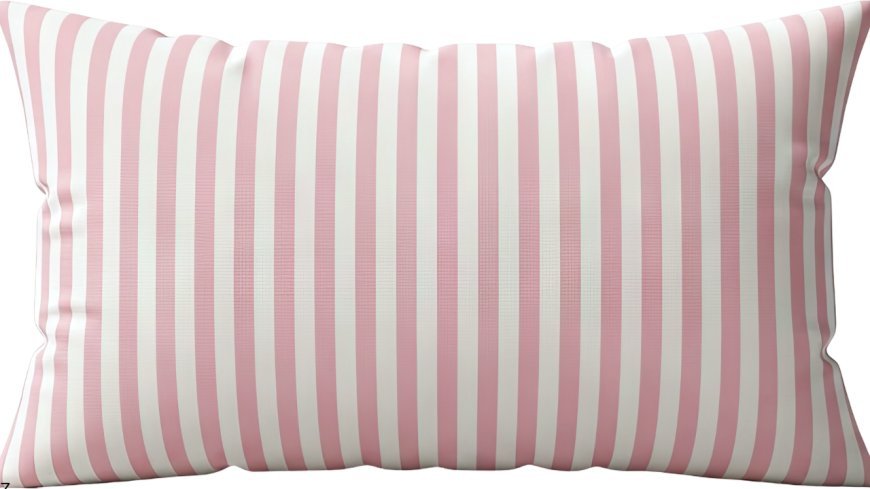
Pillows are often replaced because of a generic timeline, yet construction and use vary widely. A guest-room pillow used a few nights a year will not age like one slept on nightly. Before shopping, check whether the care label permits washing, whether the protector needs cleaning, and whether the filling can be redistributed.
Using a washable pillow protector can reduce oils and moisture reaching the pillow. Washing and drying exactly as directed can restore loft in some synthetic and down-alternative models. Make sure the filling dries completely. For pillows that cannot be washed, regular airing and cleaning the removable cover may help.
The real test is comfort and condition. Replace a pillow when it no longer supports your normal sleeping position, stays lumpy after proper care, has persistent odor or moisture damage, or has torn fabric and escaping fill. Anyone with allergy or respiratory concerns should follow professional guidance rather than stretching an item’s life simply to save money.
6. Razor Handles and Replacement Cartridges
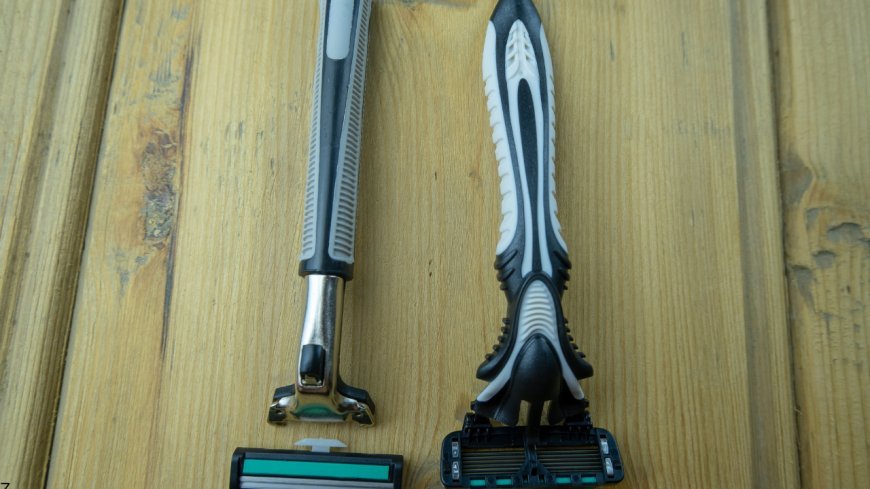
A razor cartridge does not become unusable after an identical number of shaves for every person. Hair texture, shaving area, technique, water exposure, and storage all affect how long an edge remains comfortable. Automatically changing it after a fixed count can waste usable cartridges, while pushing a dull or damaged blade too far can irritate skin.
Rinse the head thoroughly without striking it against the sink, remove trapped hair gently, and let it dry in open air. Do not wipe the cutting edge on a towel because that can damage the fine blade. Keeping the razor away from constant shower moisture may reduce corrosion. If the handle is sound, replacement cartridges are usually all that is needed.
Change the cartridge when it pulls, skips, feels rough, requires extra pressure, shows rust or damage, or leaves more irritation than usual. Never share razors. The goal is not to make a blade last indefinitely; it is to replace it based on performance and hygiene instead of throwing away a comfortable, clean cartridge automatically.
7. Nonstick Cookware
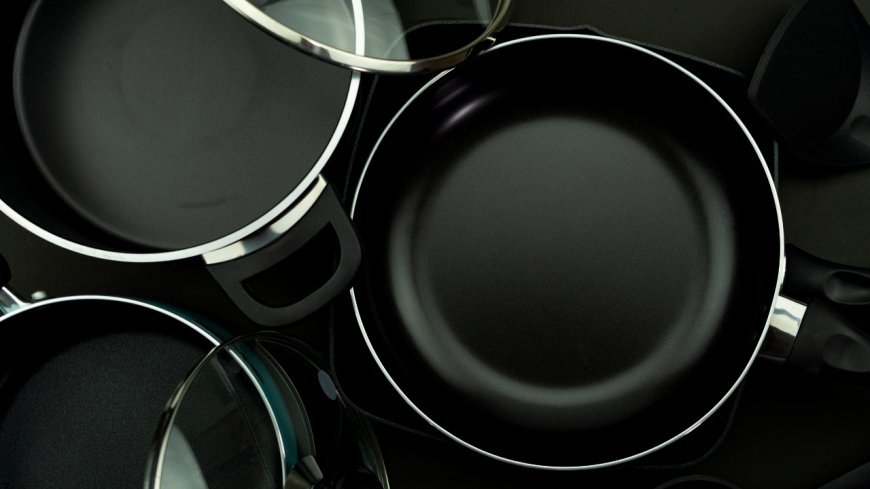
Minor discoloration on the outside of a pan does not mean its cooking surface has failed. Nonstick cookware often gets replaced for cosmetic changes that do not affect use. Gentle care can extend its life: use utensils approved for the surface, avoid stacking bare pans against each other, wash with nonabrasive tools, and follow the manufacturer’s heat limits.
A pan protector, cloth, or paper towel between stacked pieces can prevent scratches. Heating an empty nonstick pan or repeatedly using very high heat can accelerate wear, so match the pan to the cooking job. Baked-on residue may respond to the cleaning method in the product instructions rather than aggressive scraping.
The cooking surface is the deciding factor. Replace the pan if the interior coating is peeling, flaking, deeply scratched, blistered, or separating, or if the pan is badly warped and unstable on the burner. Do not attempt to repair a damaged cooking coating with household products. A stained base can be acceptable; a failing food-contact surface is not worth stretching.
8. Wooden Cutting Boards

A wooden cutting board can look tired long before it becomes unusable. Light knife marks and a dry appearance are often maintenance issues. Clean the board promptly, avoid soaking it, dry it upright with air reaching both sides, and follow appropriate guidance for sanitizing after food preparation.
Food-grade board oil can help prevent excessive drying when applied according to its directions. Some solid-wood boards can be professionally or carefully resurfaced when scratches are shallow. That option is not appropriate for every laminated or composite board, so identify the material first.
Replace a board when it has deep cracks, separated glue joints, severe warping that makes it unstable, splinters, soft or rotten areas, or grooves that cannot be cleaned effectively. Use separate preparation practices for raw meat and ready-to-eat foods as recommended by food-safety authorities. Extending a board’s life should come from proper cleaning and maintenance—not ignoring structural damage.
9. Washable Shower-Curtain Liners
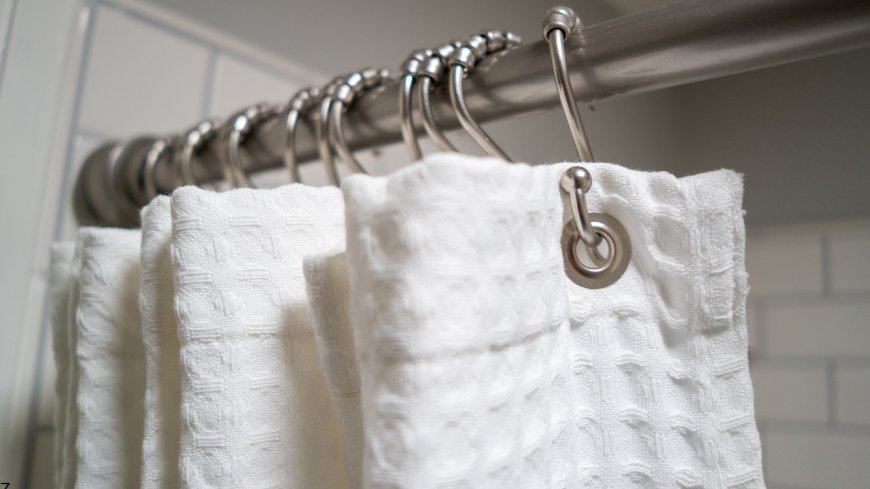
A cloudy shower liner is not automatically finished. Soap film and hard-water residue can make a washable liner look older than it is. Check the care label: many fabric and some plastic liners can be cleaned using a gentle cycle or a manufacturer-approved method. Good bathroom ventilation and spreading the liner open after a shower help it dry.
Cleaning small areas before buildup spreads is easier than waiting for a major reset. Make sure the bottom edge is not folded into a damp corner of the tub. Wash the curtain and liner separately when their care instructions differ, and never combine cleaning chemicals.
Replace the liner if the material is torn around the rings, has become brittle, no longer keeps water inside the tub, or has persistent mold growth or odor that proper cleaning does not resolve. Households with respiratory sensitivities may need to replace it sooner. A washable liner can be economical, but only while it remains cleanable and functional.
10. Reusable Shopping Bags and Totes

Reusable shopping bags often get replaced when they look wrinkled or stained, even though many can be cleaned. First check the tag or retailer’s care guidance. Fabric totes may be machine washable, while insulated bags and coated materials may require hand cleaning. Dry every bag fully before folding it into a trunk or cabinet.
Assigning bags by purpose can also extend their useful life and improve hygiene. Keep bags used for raw meat separate from those used for produce or nonfood purchases. Clean spills promptly, and avoid loading a lightweight promotional tote beyond what its seams and handles can support.
Stop using a bag for groceries when its handles are frayed, seams are opening, insulation is damaged, or the interior cannot be cleaned after a leak. A worn grocery tote may still work for light household organization, but not for carrying heavy cans. Replacing by condition—and reusing safely in a lower-stress role first—gets more value without pretending every item lasts forever.
Bottom line: the smart-saving habit is simple: read the care instructions, inspect function and safety, repair or replace small parts when practical, and retire the product when damage makes continued use unreliable.
What's Your Reaction?
 Like
0
Like
0
 Dislike
0
Dislike
0
 Love
0
Love
0
 Funny
0
Funny
0
 Angry
0
Angry
0
 Sad
0
Sad
0
 Wow
0
Wow
0