




















Debit Card vs. Credit Card for Online Shopping: Which Offers Better Protection?

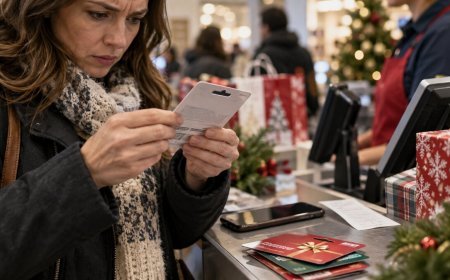
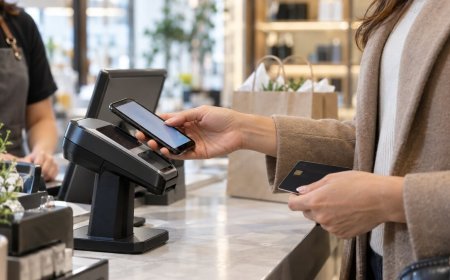
You are one click away from buying the winter boots, the kids' science kit, or the last-minute gift that finally matches the wishlist. The checkout screen asks for a card number. Your debit card is already saved. Your credit card is in the other pocket. Which one actually protects you better if the package never shows, the site goes quiet, or a strange charge appears next Tuesday?
This is a consumer checkout decision, not a lecture on credit scores. For most households, credit wins on dispute muscle for online shopping, while debit is fine for trusted merchants and tight budgets. The goal is a simple rule you can use before the next cart total hits confirm.
Reframe: protection is about whose money leaves first
With a credit card, you are spending the issuer's money until you pay the statement. If something goes wrong, you dispute a charge that has not drained your rent account yet. With a debit card, the cash usually leaves your checking account right away. A refund or fraud fix can still arrive, but your grocery float may already be short while you wait.
That timing difference is the heart of online protection. Chargebacks, temporary credits, and zero-liability marketing matter. So does whether you can pay bills this week while the bank investigates. Pick the card that matches the risk of the site, not just the rewards points on the plastic.
Credit cards usually give you a stronger dispute path
Federal rules for credit cards generally give shoppers a clearer path to dispute billing errors and many unauthorized charges. In practice, issuers often reverse or temporarily credit a contested charge while they look into it. You still need records, and you still need to report problems quickly. The everyday win is that your checking balance is not the first casualty.
Napkin example: a $180 online order for a coat that never ships. On credit, you freeze the charge and keep using checking for groceries. On debit, that $180 may already be gone. Even if the bank later returns it, you spent a week juggling cash. Protection is partly legal rights and partly cash-flow calm.
Debit is not unprotected, but the clock and the cash hurt more
Debit cards have fraud protections too, and many banks advertise zero liability for unauthorized use when you report promptly. The catch is timing and proof. Unauthorized debit activity can become more of your problem if you wait too long to notice. Even when the bank covers you, the money may take days to land back in checking.
Also watch overdraft risk. A fraudulent debit hit or a merchant double-charge can bounce other payments. One bad online swipe can cascade into returned-item fees. That is why debit for random new websites feels riskier than debit at a grocery chain you already trust.
When debit is still a smart online pick
Debit can be the better household tool when you want a hard spending ceiling. If carrying any credit balance is a known weak spot, paying with debit at familiar stores keeps the cart honest. Use debit for merchants you already know: your usual grocery pickup, a big-box site with clear return rules, a utility payment portal you have used for years.
Debit also fits small, planned buys where a dispute is unlikely and you want the money gone so you do not rethink the purchase all week. The rule is simple. Known merchant plus small ticket plus money already budgeted equals debit is fine.
- You shop the same trusted retailer often
- The order is modest and already in the budget
- You check the account within a day or two
- You keep a small buffer so a pending hold does not bounce bills
When credit should win at online checkout
Reach for credit when the merchant is new to you, the ticket is larger, the item ships from a marketplace seller, or the return window looks fuzzy. Also use credit for travel bookings, event tickets, and anything that lives mostly as a confirmation email. Those purchases go wrong more often than a box of detergent from a store you visit weekly.
If you pay the statement in full every month, the credit card is basically a protected spending tool with better dispute leverage. Rewards are a bonus, not the main reason. Protection and cash-flow timing are the main reasons for online carts.
Chargebacks are not a free return policy
A chargeback is a last step after you try the merchant. Screenshot the order page, keep emails, note tracking numbers, and contact customer service first. Give them a fair window. Then call the card issuer with dates and what you already tried. Banks want a clean story, not a vague "it felt wrong."
Do not treat disputes like a coupon. Filing casually can burn goodwill and slow future claims. Treat chargebacks like a household emergency tool for non-delivery, clear fraud, or a merchant that stops answering. That keeps the process working when you truly need it.
Watch pending holds, authorizations, and double dips
Online merchants sometimes place a temporary authorization that looks like a charge. Hotels and car rentals are famous for this, but some retailers do it too. On debit, a hold can reduce available cash even before the final amount posts. On credit, it uses available credit instead of tomorrow's grocery money.
If you cancel quickly, watch for the hold to drop. If a second charge appears, do not spend the "refund" until it actually posts. Families get burned by treating a pending credit like cash in hand and then overdrawing when the timing slips.
Virtual card numbers and saved cards add another layer
Many credit issuers and some banks offer virtual card numbers or one-time checkout numbers. Those are handy for unfamiliar sites because you can shut off that number without replacing your whole plastic card. Digital wallets can also hide the real number behind a token at checkout.
Saved cards in browser autofill are convenient and risky. Clean out old merchant profiles you no longer use. Turn on purchase alerts for both debit and credit so a weird $9.99 test charge wakes you up before it becomes a $199 surprise.
A simple household rule for the next 30 days
Write this on a sticky note near the laptop or phone: new site or big ticket = credit paid in full; trusted everyday merchant = debit OK. Share the rule with anyone who shops on shared devices. Consistency beats a perfect theory nobody remembers at 10 p.m.
Also set two alerts: one for any debit purchase over a small amount you choose, and one for credit purchases over a slightly higher amount. Alerts are cheap insurance. They turn "I will check later" into a same-day fix.
Checkout checklist before you hit confirm
- Is the site familiar, or is this the first time?
- Is the total big enough that a problem would pinch rent or groceries?
- Do you have the order confirmation email address correct?
- Are you using credit for new or high-stakes carts, debit for trusted small ones?
- Did you turn on transaction alerts for both cards?
- Will you pay the credit statement in full so protection does not turn into interest?
For most online shopping, a credit card you pay in full each month is the safer default because disputes hit the issuer's money first and your checking account stays steadier. Debit still works for trusted merchants and budget control. Pick by merchant risk and cash-flow timing, not by which card is already autofilled.
This week, open your two most-used shopping apps and set the default payment to the card that matches the rule above. Then turn on alerts. That ten-minute cleanup is the act-now version of better online protection.
What's Your Reaction?
 Like
0
Like
0
 Dislike
0
Dislike
0
 Love
0
Love
0
 Funny
0
Funny
0
 Angry
0
Angry
0
 Sad
0
Sad
0
 Wow
0
Wow
0