




















12 Everyday Expenses That Often Shrink After Retirement—and 7 That May Increase

The last day of work comes with a cake, a card, and a quiet question you might not ask out loud: what will a normal month cost now? Many people picture every bill shrinking at once. Others brace for the opposite. In real kitchens, it usually lands somewhere in the middle. Some costs fade almost overnight, and a few climb in ways nobody mentions at the retirement party.
This guide walks through 12 everyday expenses that often get smaller once the workweek ends, plus 7 that may grow. It is not a plan for your savings or your benefits. It is a look at the household side of the budget: gas, groceries, clothes, the thermostat, and the small daily habits that add up. The goal is a realistic picture you can sketch on one sheet of paper.
Why your spending mix changes, not just the total
When work ends, your schedule changes, and your schedule drives a surprising amount of your spending. A commute pulls money out of your wallet five days a week. So do office lunches, work clothes, and the tired-evening takeout that happens because nobody has energy to cook. Take away the job and many of those triggers disappear.
At the same time, you gain about 40 or more free hours each week. Free hours are wonderful, but they are not free. You are home more, out more, and trying new things. Think of retirement as a reshuffle rather than a simple cut. Some categories shrink, some grow, and the final number depends on which side gets more of your attention.
Commute and car costs that often shrink
The car is usually the first place people notice a change. Here are four expenses that often drop:
- Fuel and wear from the daily commute. If your round trip was 30 miles, for example, that could be roughly 7,000 or more miles a year you no longer drive just to get to work.
- Parking and tolls. A monthly garage pass or a daily toll road can quietly cost more than people realize, and it simply stops.
- A second car. Some couples find one vehicle is enough once both schedules are flexible. Selling the extra car could also trim its insurance, registration, and upkeep.
- Car insurance tied to mileage. Fewer miles may mean a lower premium. It is worth a call to your insurer to ask whether your new driving pattern changes your rate.
None of these are guaranteed. If retirement means road trips to see grandkids, your mileage might go up. Still, the commute itself is one of the most dependable costs to fade.
Work wardrobe and grooming that can fade
Work clothes have a way of eating a budget without feeling like a splurge. Blazers, dress shoes, pressed shirts, and the replacement pair of slacks every year all add up. Once you retire, the closet often shifts toward comfortable basics that last longer and cost less.
Three related costs often shrink along with the dress code. The first is new work clothes and shoes bought mainly to look professional. The second is dry cleaning and pressing for suits, uniforms, or delicate office wear, which can run a few dollars per item every single week. The third is salon or barber upkeep scheduled around looking polished for meetings and client calls.
You do not have to give up haircuts or nice clothes. Many retirees simply stretch the time between visits or buy fewer, better pieces they actually enjoy wearing.
Food and social spending tied to the workday
Workdays create a lot of small food purchases. A $12 lunch three times a week, for example, could come to around $1,800 over a year. Add a few coffee runs and the vending machine, and the total grows quickly.
That covers two items on the shrink list: weekday lunches out and coffee runs. Two more follow close behind. One is the takeout dinner ordered because you got home late and worn out, which often costs more than lunch did once delivery fees and tips are added. The other is the office collection jar for birthdays, baby showers, farewell parties, and Friday happy hours. Each one feels small, but together they can rival a utility bill.
Some of this money moves to the grocery store, which is covered below. But home cooking is usually cheaper per meal than buying out, so the net change often still leans in your favor.
Time-crunch services you may no longer need
The 12th expense on the shrink list is paying for time. Busy workers often hire out lawn care, house cleaning, dog walking, or even laundry service because the weekends are too short. In retirement, some people enjoy taking a few of those jobs back. Mowing the lawn yourself or walking the dog in the morning can save money and give your day some structure.
Be honest about what you actually want to do, though. If you hate cleaning gutters or your back complains after yard work, keeping that service may be money well spent. Retirement is not a contest to do every chore yourself.
Home costs that may climb when you are home more
Now for the other side of the sheet. Three of the 7 expenses that may increase live right inside your house.
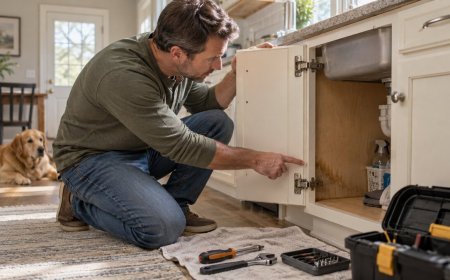
The first is utilities. When the house is occupied all day, the heat, air conditioning, lights, and electronics simply run longer. Your electric or gas bill could rise, especially in the hottest and coldest months. The second is groceries. You are eating more meals at home, so the grocery bill will likely grow even as restaurant lunches shrink. The third is home maintenance and small upgrades. Spend more time in a room and you start to notice the worn carpet, the drafty window, and the faucet that drips. Projects tend to multiply once you have the time to see them.
A few simple habits help here. A programmable thermostat, a weekly meal plan, and a running list of home projects ranked by priority can keep these costs from creeping up unnoticed.
Fun, family, and health costs that may grow
The last four expenses that may increase are often the ones people looked forward to:
- Travel. Off-season trips and long visits are finally possible, and they cost money even when you hunt for deals.
- Hobbies and entertainment. Golf, classes, crafts, concerts, and day trips can fill a calendar and a credit card statement.
- Gifts and helping family. Many retirees find themselves treating grandkids, pitching in for family events, or helping adult children now and then.
- Out-of-pocket health costs. Things like new glasses, dental visits, hearing checks, and over-the-counter items can show up more often as the years go by.
None of these are bad expenses. They are often the point of retiring. The trick is to give them a planned place in the budget instead of letting them surprise you.
A simple before-and-after spending check
You can map your own reshuffle in about an hour. Pull up the last three months of bank and card statements, then sort what you see into three groups:
- Likely to shrink: commute, work clothes, lunches out, time-saving services.
- Likely to grow: utilities, groceries, travel, hobbies, gifts, home projects.
- Likely to stay about the same: housing payments, phone, insurance, subscriptions.
Write a rough monthly number next to each group, then adjust it for retired life. If you can, live on your estimated retirement budget for two or three months before your last day. That test run will show you which guesses were too hopeful and which were too cautious.
The bottom line
Retirement rarely makes every bill smaller, and it rarely makes everything bigger either. It moves money from the commute and the office to the house, the calendar, and the people you love. This week, grab a pen and list your own 12 shrinkers and 7 growers. Seeing both columns side by side is the easiest way to walk into retirement without money surprises.
What's Your Reaction?
 Like
0
Like
0
 Dislike
0
Dislike
0
 Love
0
Love
0
 Funny
0
Funny
0
 Angry
0
Angry
0
 Sad
0
Sad
0
 Wow
0
Wow
0