





















High-Yield Savings vs. Simple Index Funds: Which "Set-It-and-Forget-It" Option Wins for Beginners?
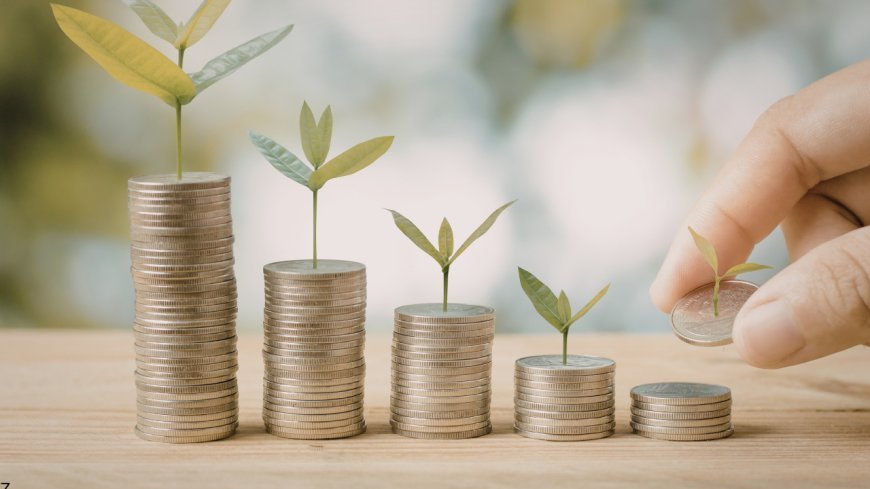
For beginners in 2026 looking for a true "set-it-and-forget-it" strategy, the choice between high-yield savings accounts (HYSAs) and simple index funds boils down to your goals, time horizon, risk tolerance, and need for access to the money. Both are low-maintenance: HYSAs offer guaranteed interest with no effort beyond opening the account, while broad-market index funds (like those tracking the S&P 500) provide automatic diversification and long-term growth through automatic contributions or robo-advisors. Neither requires daily monitoring, but they serve different purposes—safety and liquidity versus higher potential returns with volatility.
High-Yield Savings Accounts: Guaranteed Growth with Zero Risk
In early 2026, top HYSAs from online banks and credit unions deliver APYs ranging from about 4.00% to 5.00% (with standout offers at 5.00% from providers like Varo Bank or AdelFi on qualifying balances, though many solid options sit around 4.20%–4.35% from Openbank, Newtek Bank, or similar). These rates far exceed the national average of roughly 0.4%–0.6% for traditional savings. Your money grows steadily through compound interest, remains FDIC-insured up to $250,000, and stays fully liquid—perfect for emergency funds, short-term goals (under 3–5 years), or cash you might need soon. There's no market downside: principal is protected, and withdrawals are easy (though some limit to 6 per month). The trade-off is that returns are modest compared to long-term stock market averages, and rates can drop if the Federal Reserve continues adjusting policy. For pure preservation and predictable growth without any chance of loss, HYSAs win hands-down as a beginner's safe harbor.
Simple Index Funds: Higher Long-Term Potential with Hands-Off Automation
Index funds tracking broad markets (e.g., S&P 500 via low-cost ETFs like VOO or total market funds like SCHB) offer exposure to hundreds of top U.S. companies with expense ratios often under 0.05%. Historical S&P 500 total returns (including dividends) average around 10% annually over long periods (1928–present data shows roughly 10–11% nominal, 7% after inflation), though recent decades have varied (e.g., strong gains in 2023–2025, with some down years like 2022). For beginners, "set-it-and-forget-it" means automating monthly investments via dollar-cost averaging—buying more shares when prices dip—which smooths volatility over time. Platforms like Vanguard, Fidelity, or Schwab make this effortless with fractional shares, no minimums on many funds, and robo-advisor options that handle allocation. Over 10+ years, compounding turns modest contributions into substantial growth far outpacing HYSA yields. The catch: short-term dips are normal (markets can drop 20%+ in bad years), so this suits money you won't need soon.
Head-to-Head: Risk, Returns, and When Each Wins
HYSAs provide certainty—your money grows predictably at 4–5% with no principal risk, ideal for building an emergency fund (3–6 months' expenses) or saving for near-term goals like a home down payment or vacation. Index funds historically deliver superior long-term returns (potentially 7–10% after inflation), making them the winner for retirement, wealth-building, or goals 5–10+ years away, where time smooths out volatility. Beginners often start with HYSAs for safety, then shift excess to index funds once basics are covered. A hybrid works best: keep short-term cash in HYSAs, invest longer-horizon money in index funds. Neither is "better" universally—HYSAs protect and grow safely now; index funds compound powerfully over decades.
Practical Steps for Beginners in 2026
Start simple: Open a no-fee HYSA from a top provider (check current rates on sites like Bankrate or NerdWallet) for your safety net. Once that's funded, open a brokerage or IRA account and automate investments into a single low-cost S&P 500 or total stock market index fund. Use apps or robo-advisors for hands-off management. Rebalance annually if needed, but avoid frequent changes. This combo gives you the best of both: secure cash plus growth potential, all with minimal ongoing effort.
In 2026's environment—with HYSAs still offering attractive yields amid stabilizing rates and stocks delivering solid historical performance—the "winner" depends on your timeline. Prioritize HYSAs for safety and liquidity; lean into simple index funds for wealth-building. Many beginners do both to balance protection and opportunity.
This article is for informational purposes only and not investment advice. Rates fluctuate; markets involve risk, including loss of principal. Past performance doesn't guarantee future results. Consult a financial advisor for personalized guidance.
What's Your Reaction?
 Like
0
Like
0
 Dislike
0
Dislike
0
 Love
0
Love
0
 Funny
0
Funny
0
 Angry
0
Angry
0
 Sad
0
Sad
0
 Wow
0
Wow
0