




















Apple’s $1,999 Foldable iPhone Is Here: 7 Questions Before You Upgrade
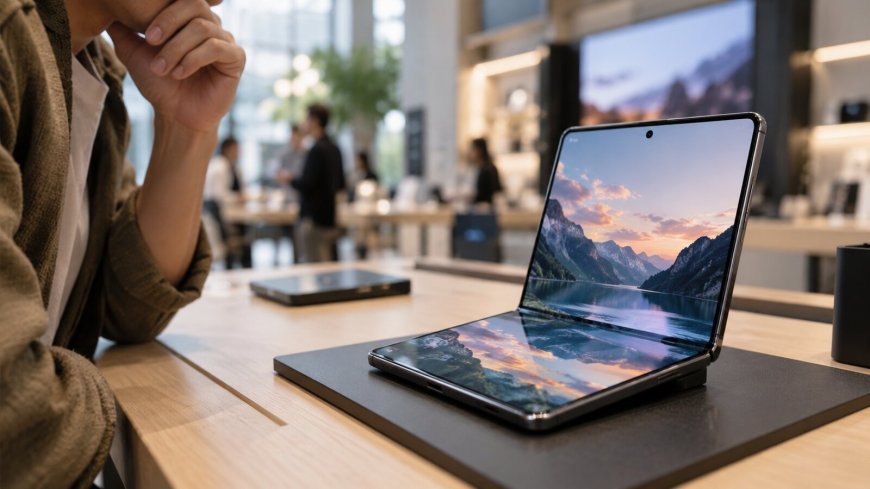
Apple has officially introduced the iPhone Duo, its first foldable iPhone—and the starting price is a very real $1,999. The device opens into a 7.6-inch display, closes to a 5.4-inch outer screen and arrives in U.S. stores on October 23 after preorders begin October 16.
It is new, impressive and almost certain to trigger upgrade temptation. But a phone costing about as much as a used-car down payment deserves more than an impulse decision. Before preordering, work through these seven questions.
1. What Problem Would the Foldable Design Solve?
A larger screen can be genuinely useful for reading, multitasking, video calls and creative work. Apple says the Duo can run apps side by side and supports its Pencil accessory later in the year.
But “useful” and “necessary” are different. Write down the three things you expect the foldable screen to improve. If your current phone already handles them comfortably, the new design may be a luxury rather than a productivity tool.
2. What Is the True First-Year Cost?
The $1,999 starting price covers the 256GB phone, but ownership can cost more. Apple announced a $79 case and a $129 folio option. Protection coverage, sales tax, accessories and possible carrier activation charges can push the first-year total well above the headline price.
Make a complete cost estimate before looking at monthly financing. Monthly prices can make a large purchase feel smaller without making it less expensive.
3. Would You Still Buy It Without Monthly Financing?
Apple lists a 24-month payment option of $83.29 per month for the starting model. That is essentially the full $1,999 spread across two years before considering other costs.
Ask whether you would willingly pay the entire price today if financing were unavailable. If the answer is no, determine whether financing is providing flexibility or merely overcoming your hesitation.
A phone payment also competes with other monthly goals. The same $83 could strengthen an emergency fund, reduce card debt, cover a utility bill or build a future replacement fund.
4. How Old Is Your Current Phone?
An upgrade is easier to justify when an existing phone no longer receives security updates, has unreliable battery life or cannot perform necessary tasks. It is harder to justify when the current device is only a year or two old and works well.
Try a seven-day test: note every moment your current phone actually prevents you from completing something important. Minor impatience does not count. This separates real limitations from launch-day excitement.
5. Are You Comfortable Being an Early Adopter?
First-generation hardware can be exciting, but long-term durability is proven through real-world use. Apple describes a reinforced hinge, scratch-resistant layers, titanium construction and IP68 resistance. Those specifications are promising, yet buyers will not have years of repair and durability data at launch.
If reliability matters more than novelty, waiting several months can provide independent reviews, repair-cost information and reports from everyday owners. Waiting may also reveal promotions or stronger trade-in offers.
6. What Are You Giving Up to Buy It?
Every purchase has an opportunity cost. Two thousand dollars could cover a family trip, several months of groceries, an insurance deductible or a meaningful debt payment.
This does not mean nobody should buy a premium phone. It means the purchase should rank higher than the alternative use of the money. Compare the phone with one concrete goal—not with an abstract instruction to “save more.”
7. Can You Create a No-Regret Purchase Rule?
Set conditions before preorder day. For example: buy only if your emergency fund remains intact, you will not carry the purchase on a high-interest card, your current phone is fully paid off and you plan to keep the new device for at least four years.
A waiting period helps too. Put the full expected cost into savings and wait 30 days. If you still want the Duo and the money does not disrupt another priority, the decision is much stronger.
A Better Way to Think About the Upgrade
The iPhone Duo is not automatically a bad purchase because it is expensive. For someone who will use its larger screen daily, keep it for years and pay without creating financial stress, it may deliver worthwhile value.
The mistake is buying based only on the monthly payment, the launch excitement or fear of missing out. The smartest upgrade is one that improves your day-to-day life without weakening the rest of your financial plan.
The Bottom Line
Apple’s first foldable iPhone is a major technology launch, but the $1,999 starting price makes it a major financial decision too. Price the entire package, assess your current phone honestly and give yourself time to distinguish genuine usefulness from novelty. A device this expensive should earn its place in your budget.
What's Your Reaction?
 Like
0
Like
0
 Dislike
0
Dislike
0
 Love
0
Love
0
 Funny
0
Funny
0
 Angry
0
Angry
0
 Sad
0
Sad
0
 Wow
0
Wow
0