


















The Sneaky Expenses That Are Draining Your Bank Account (And How to Stop Them)

You Don't Know Where Your Money Is Going. (Yes, You Do.)
You probably have a general idea of where your money goes, but the reality is that hundreds or even thousands of dollars are quietly slipping away from your bank account every year. These aren't big, flashy purchases but sneaky expenses that feel insignificant on their own.
Here are the biggest culprits and how to put a stop to them.
The Subscription Creep
You're a subscriber, but you're not a good one. The average American pays for about a dozen subscription services, yet only thinks they have a handful. Those small $10, $15, or $20 monthly charges add up fast—and you're probably paying for services you don't even use.
Common Culprits:
-
Streaming services you forgot to cancel.
-
Gym memberships you're not using.
AdvertisementEnd of AdvertisementAdvertisementEnd of Advertisement -
Software that auto-renewed after a free trial.
-
The premium version of an app you don't need.
AdvertisementEnd of AdvertisementAdvertisementEnd of Advertisement
How to Fix It:
-
Audit your accounts. Go through your bank and credit card statements and cancel anything you haven't used in the last three months.
AdvertisementEnd of AdvertisementAdvertisementEnd of Advertisement -
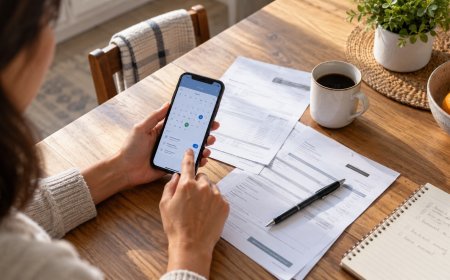
Set reminders. Put a reminder on your calendar before a free trial is set to end.
-
Use a tracker. Install a subscription tracking app to keep an eye on all your services in one place.
The Convenience Tax
We live in a world designed for convenience, and that convenience comes at a cost. The extra fees we pay for ease and speed often go unnoticed, but they can significantly drain your finances.
Common Culprits:
-
Food and grocery delivery fees.
-
ATM fees for using an out-of-network machine.
-
Last-minute "premium" pricing.
-
Convenience fees for paying bills online.
How to Fix It:
-
Plan ahead. Avoid impulse purchases and plan meals to avoid costly last-minute food delivery.
-
Use your bank's resources. Find out if your bank reimburses ATM fees. Many do.
-
Set up autopay. Many companies offer discounts for setting up automatic payments. This also ensures you never pay a late fee.
The Lifestyle Inflation Trap
As your income grows, your spending tends to grow right along with it. This is lifestyle inflation, a gradual and often unconscious increase in your spending. You start eating out more, buying more expensive brands, and upgrading your life without realizing it. The result is you make more money but never feel any richer.
How to Fix It:
-
Automate your savings. When you get a raise, immediately increase the percentage of money you're saving. That way, you won't even have to think about it.
-
Set spending limits. Decide how much you'll spend on different categories, and don't automatically increase your budget just because your income went up.
-
Regularly review your budget. Make time each month to review your expenses and ensure you're not falling into the trap of spending just because you have more money.
The Social Spending Pressure
Your friends, family, and colleagues can be a major drain on your budget, especially if you feel pressure to keep up with their spending habits. This can include expensive dinners, extravagant parties, and pricey gift-giving.
How to Fix It:
-
Suggest alternatives. Instead of an expensive restaurant, suggest a picnic at a local park or hosting a potluck.
-
Be honest. If you can't afford a specific event, let your friends know. True friends will understand and accommodate your budget.
-
Stick to your budget. Decide how much you can spend on social activities each month, and stick to it.
The Impulse Purchase Accumulation
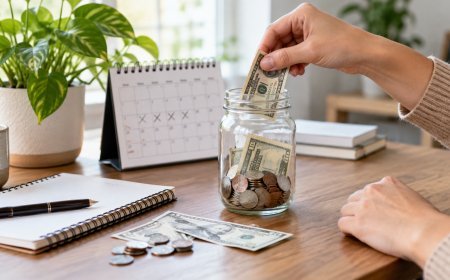
That daily coffee, the snack from the vending machine, the item you throw in your online shopping cart at the last minute—they all add up. Small purchases might seem harmless on their own, but they can quietly drain your account of hundreds of dollars a year.
How to Fix It:
-
Implement a 24-hour rule. For any non-essential purchase, wait 24 hours before buying it. You'll often find you don't want it anymore.
-
Don't save your payment information. Remove your credit card from shopping sites to add friction to the checkout process.
-
Track your spending. Use a budgeting app or spreadsheet to track where all your money is going and see the real impact of your small, everyday purchases.
The Cost of Neglect
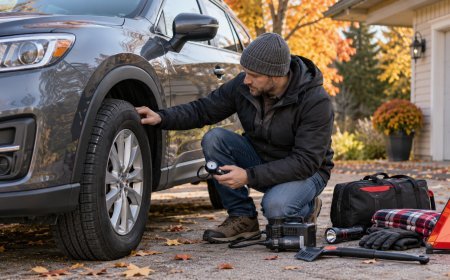
Neglecting regular maintenance on your car, home, or even your body can lead to much larger expenses down the road. Skipping a routine oil change could cost you thousands in engine repairs. Ignoring a small roof leak can lead to major water damage.
How to Fix It:
-
Create a maintenance schedule. Schedule routine upkeep and put it in your calendar.
-
Budget for big purchases. When buying a car or a home, be sure to include maintenance costs in your budget.
-
Address problems early. Don't ignore small issues in your home or car. Fix them before they turn into major repairs.
The Energy and Utility Waste
You might be paying more than necessary for your utilities just because of poor insulation or inefficient habits. Simple changes could save you hundreds of dollars a year.
How to Fix It:
-
Conduct an energy audit. Many utility companies offer a free home energy audit to show you where you can improve efficiency.
-
Shop for better rates. Check with your local utility companies to see if you can switch to a cheaper plan or provider.
-
Adjust your thermostat. Turn it down a few degrees in the winter and up a few in the summer to save on heating and cooling costs.
Financial Product Fees
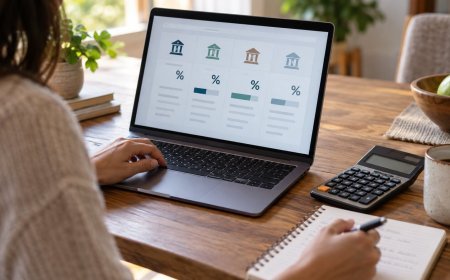
Banks and financial institutions charge a wide range of fees that you may not even know about. These can include account maintenance fees, investment management fees, and loan origination fees.
How to Fix It:
-
Read your statements. Look for any fees on your bank or credit card statements.
-
Shop around. Compare different banks and financial institutions for lower fees.
-
Negotiate. Sometimes, simply calling and asking for a fee to be waived will work.
The key to stopping these money drains is to become aware of them. Once you see where your money is really going, you can make conscious decisions about what's worth the cost and what needs to be eliminated.
This Is What Happens When... You Think You Know Where Your Money Goes
You're a subscriber, but you're not a good one. The average American pays for about a dozen subscription services, yet only thinks they have a handful.
What seems like a few dollars here and there for a streaming service or a magazine can quietly add up to a few hundred a month. Then there are the "convenience fees" for food delivery, last-minute trips to the ATM, and even the daily coffee run—all of which slowly but surely siphon hundreds of dollars from your bank account every year.
Even when you make more money, your spending often increases right along with it. This is lifestyle inflation, a gradual and unconscious increase in your spending that leaves you feeling like you're just treading water, even with a fatter paycheck. This trap keeps you from building wealth and achieving financial goals.
On top of all that, you've got friends who want to go out for expensive dinners, small impulse purchases that somehow add up to hundreds of dollars a month, and the dreaded cost of neglect, where skipping a small maintenance repair leads to a massive bill down the road.
The key to all of this is awareness. Most of these hidden money drains go unnoticed because they feel insignificant on their own. But when you start paying attention and tracking your money, you'll see the full picture. Once you see the thousands of dollars you're losing each year, you'll be motivated to plug the leaks and start building real wealth.
What's Your Reaction?
 Like
0
Like
0
 Dislike
0
Dislike
0
 Love
0
Love
0
 Funny
0
Funny
0
 Angry
0
Angry
0
 Sad
0
Sad
0
 Wow
0
Wow
0